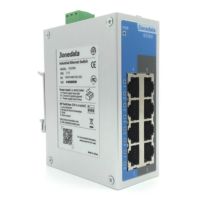
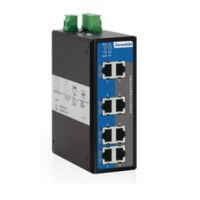
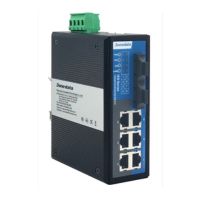
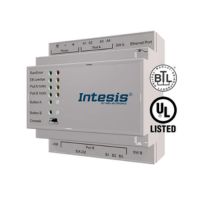
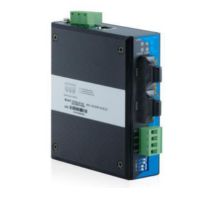
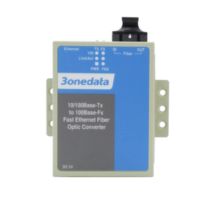
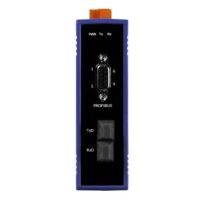
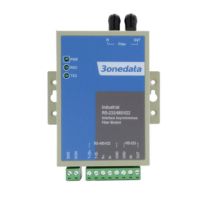
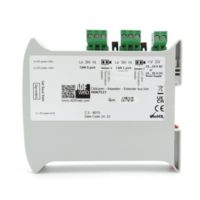
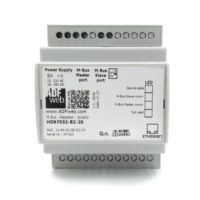
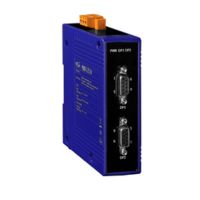
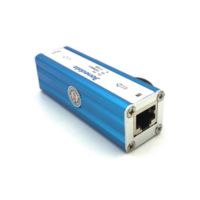
Industrial MQTT to IEC 61850 converters for power automation and SCADA.
In this category you will find industrial MQTT to IEC 61850 converters that enable transferring data published in an
MQTT ecosystem into the world of power automation based on IEC 61850.
These devices are used when telemetry from sensors, meters, controllers or IoT applications must be made available to monitoring and control systems
that expect IEC 61850 and operate over standard LAN infrastructure in power facilities.
Integrating MQTT with IEC 61850 most commonly means that the converter acts as an MQTT broker client on the MQTT side and receives data from topics,
while on the IEC 61850 side it exposes the data as an IEC 61850 Server with an organized data model.
In practice, this allows modern data sources and analytics solutions to connect to environments where standardization, consistent signal naming,
and compatibility with tools used in the power industry are essential.
Why connect MQTT with IEC 61850
MQTT is popular in IoT and telemetry solutions because it simplifies data distribution to multiple applications at once and scales well
in distributed systems. IEC 61850, on the other hand, is a standard in power automation, where structured data models, consistent naming,
interoperability and a clear signal hierarchy matter. An MQTT to IEC 61850 converter brings these approaches together without rebuilding
existing data source infrastructure.
In practice, this bridge is useful when data from many sources published to an MQTT broker must be exposed in a form that is understood by
power-industry tools and systems, for example for visualization, archiving, reporting or SCADA integration.
Instead of building custom application-level integrations, you use an industrial device that maintains communication and exposes data
in the standard expected on the IEC 61850 side.
How an MQTT to IEC 61850 converter works
A typical converter acts as a bridge between an MQTT broker and IEC 61850 clients. On the MQTT side, the device connects to the broker over Ethernet,
subscribes to selected topics and receives messages. Values are then processed according to mapping rules and exposed on the IEC 61850 side
as objects consistent with the configured data model. Depending on the specific device and configuration, the converter may also support
publishing data in the opposite direction if the project requires control or setpoints sent from IEC 61850 into MQTT.
In industrial deployments, it is important that the device is designed for continuous operation, has predictable behavior after power loss,
works reliably on LAN networks, and provides clear diagnostics for connection states. In power automation, it also matters that the data model
is well structured and signals are clearly defined and maintainable for years.
IEC 61850 data modeling
IEC 61850 is not only a protocol, but also a standardized way of describing data. That is why one of the key implementation steps is creating
a consistent model: how to group signals, how to name them, and what semantics to assign to each point. In practice, this means aligning incoming
MQTT data with a structure that will be clear for IEC 61850 clients and consistent with the conventions used in a specific facility.
A well-designed model makes future expansions easier because adding new points does not require rebuilding the entire structure,
and supervisory systems receive data in a predictable layout. This is especially important in multi-site projects where you want one naming logic
and consistent data presentation across locations.
Mapping MQTT topics and data quality
MQTT sources often publish data as simple values or structures, for example in JSON format. The converter can map selected message fields
into IEC 61850 model points, including data type, scaling, units and update rules. In practical implementations, the approach to time and data quality
also matters, because supervisory systems often need to know whether a value is current, when it was captured, and whether a communication gap occurred.
On the MQTT layer, mechanisms such as QoS, retained messages and Last Will can support telemetry continuity and diagnostics.
It is worth defining which signals should be published cyclically, which should be event-driven, and which should be on-demand,
to avoid overloading the broker while keeping the IEC 61850 side sufficiently up to date.
Typical applications
MQTT to IEC 61850 converters are selected in scenarios where IoT and telemetry data must be made available to systems used in power automation
and substation environments. Examples include:
- Integrating measurement data from sensors and meters publishing to MQTT with IEC 61850 systems.
- Aggregating telemetry from multiple MQTT sources into a single data model accessible to IEC 61850 clients.
- Exposing data to SCADA in IEC 61850 without changes on the IoT device side.
- Multi-site projects requiring consistent naming and a unified data presentation approach.
- Analytics layers where MQTT collects data and IEC 61850 provides integration into power environments.
What to check when selecting a device
Device selection should follow the network architecture and the behavior you expect on both sides of the integration.
In practice, verify:
- RJ45 Ethernet interface and LAN operation parameters, including compatibility with switching infrastructure.
- IEC 61850 Server mode and how data is exposed in the model.
- MQTT data mapping from topics and payloads into IEC 61850 model points.
- Scaling and data types and how the device handles numeric values, states and events.
- Diagnostics for the broker connection and IEC 61850 data exposure status.
- Environmental specs, DIN rail mounting and power supply range for 24/7 operation.
Security and 24/7 reliability
In power projects, security and reliability are critical. On the MQTT side, broker access rules, control over who publishes and subscribes,
and network segmentation are often key. On the IEC 61850 side, consistency of the data model, predictable communication behavior and clear diagnostics
in case of connectivity issues matter. A well-selected industrial converter should recover reliably after power loss and connection drops,
minimizing the risk of “silent” data gaps.
Commissioning and maintenance
Commissioning typically comes down to two areas: configuring the connection to the MQTT broker and preparing data mapping into the IEC 61850 model.
In practice, it is best to start by defining topic structure and naming conventions, and then align the IEC 61850 model so it is clear for
supervisory systems. For maintenance, quick access to connection status, logs, and a clear indication of whether data is being updated as expected
are essential.
Consteel Electronics support
If you are planning an MQTT to IEC 61850 integration and want a predictable deployment, we can help you select the right device and define a practical
data mapping approach. This includes matching your Ethernet network, MQTT publishing model, the expected IEC 61850 data model, and site conditions.
Have an MQTT project and need IEC 61850 integration?
Share your MQTT broker details, topic structure and data scope, and we will help you choose a converter and an integration approach for power automation and SCADA.
Contact a Consteel Electronics expert
FAQ
Does the converter act as an IEC 61850 Server?
In most cases yes, and MQTT data is mapped into model objects and exposed to IEC 61850 clients according to the configuration.
Which MQTT payloads can be mapped into IEC 61850?
It depends on the device and configuration, but typically numeric values and states are mapped, often also fields from JSON structures.
Can data be published in the opposite direction, from IEC 61850 to MQTT?
In some projects this is possible, depending on the converter’s capabilities and how control or setpoints are implemented.
What matters more: the topic structure or the IEC 61850 model?
Both must be consistent. Topics organize the MQTT layer, while the IEC 61850 model provides clear semantics and compatibility on the power side.
How can I reduce the risk of data gaps?
Ensure a stable Ethernet network, define a sensible publishing policy, use MQTT mechanisms that support continuity, and design predictable reconnect behavior.