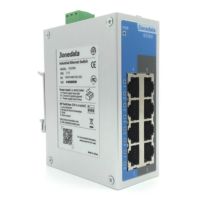
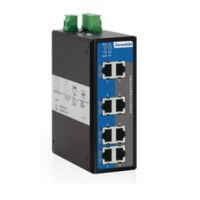
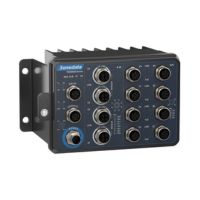
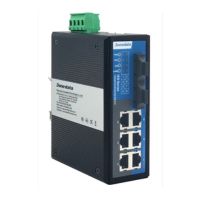
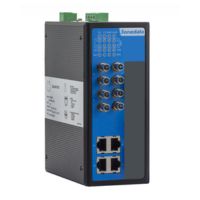
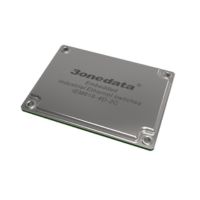
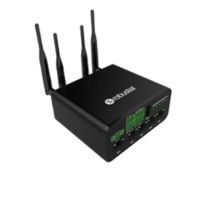
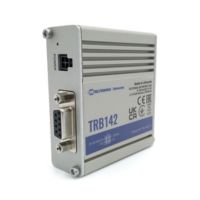
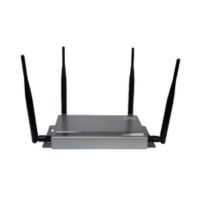
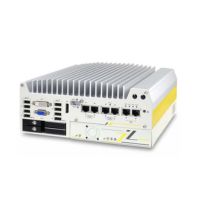
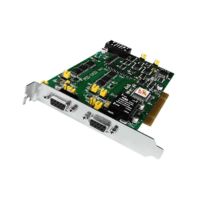
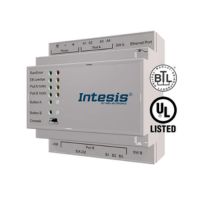
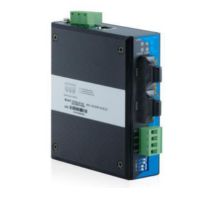
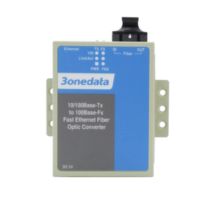
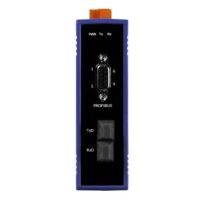
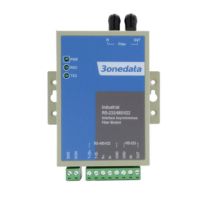
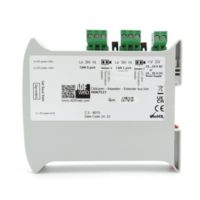
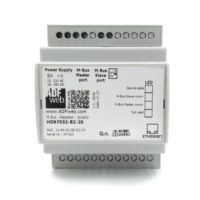
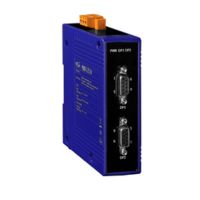
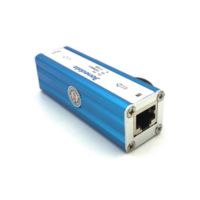
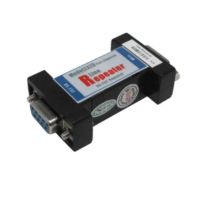
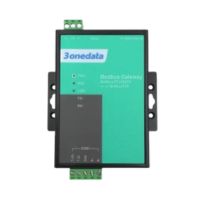
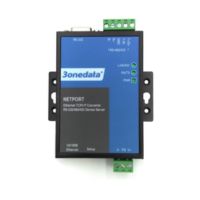
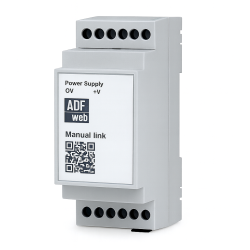
Industrial HTTP to Modbus converters enable stable data exchange between web applications, IT systems, and devices operating with the Modbus standard.
HTTP to Modbus converters are specialized communication devices used to connect modern systems based on web communication with industrial automation infrastructure. Their role is to translate data and commands coming from applications using HTTP or HTTP/REST into communication with devices operating in the Modbus RTU or Modbus TCP standard. This makes it possible to control devices, read parameters, supervise registers, and integrate field equipment with platforms that normally operate on the IT side, including web applications, dashboards, cloud systems, and service software.
In practice, this means that a higher-level system working through a web interface, API, or service application can communicate with meters, controllers, I/O modules, network analyzers, regulators, inverters, or HVAC devices based on the Modbus protocol. An industrial HTTP to Modbus converter therefore becomes an integration layer between the world of web-based applications and the layer of technical devices. This approach significantly simplifies the digitalization of existing installations and makes it possible to build modern monitoring and control systems without the need to replace the entire field infrastructure.
What HTTP to Modbus converters are used for
The main function of this group of devices is to enable data exchange between an environment using the HTTP protocol and devices operating in a Modbus network. In many modern projects, the source of commands or requests is no longer a classic controller, but a web application, reporting system, IoT platform, browser-based operator panel, or external integration server. At the same time, thousands of field devices still operate with Modbus because it remains a stable, widely used, and proven standard in industrial and building automation.
HTTP to Modbus converters make it possible to connect these two areas. They allow requests from a web application to be sent to Modbus devices, registers to be read, values to be written, operating parameters to be changed, and communication between the IT layer and the OT layer to be organized in a clear and predictable way. This solution is especially useful where energy management systems, analytics platforms, or service interfaces need to cooperate with existing automation infrastructure without requiring complex and costly intermediate mechanisms.
Why HTTP to Modbus integration matters so much
The growth of digital systems has made web-based architecture the foundation of many modern applications. Data is visualized in a browser, reports are generated by a server, and integration with other services is performed through APIs. At the same time, a large part of industrial equipment still communicates through Modbus RTU or Modbus TCP. Modbus is highly effective on the automation side, but it was not designed as the native language of modern web applications. That is why industrial HTTP to Modbus converters now play an important role in modernization and integration projects.
With these devices, it becomes possible to use existing equipment in new software environments. Instead of replacing meters, controllers, or analyzers with models that offer native web communication, a protocol translation layer can be added. This deployment model is often far more cost-effective, quicker to implement, and safer from the perspective of system continuity. That is especially important in facilities where downtime creates real costs or where interruptions may affect the technological process.
Typical applications of industrial HTTP to Modbus converters
Devices of this type are used in many industries and integration scenarios. In BMS systems, they can connect building management applications with energy meters, HVAC controllers, technical modules, and measurement devices using Modbus. In manufacturing, they make it possible to connect reporting platforms, web dashboards, and service tools with machines, inverters, measurement systems, and local controllers. In the energy sector, they support central access to distributed devices that need to be managed through remote applications or monitoring systems.
HTTP to Modbus converters are also effective in OEM projects, remote supervision systems, infrastructure automation, water and wastewater installations, and anywhere a higher-level application must communicate with Modbus devices in a structured and predictable way. Depending on the model, communication on the device side may be handled through RS232, RS485, or Ethernet, which makes it possible to match the solution to the specific system architecture and the type of field devices used in the project.
What benefits HTTP to Modbus converters provide
The biggest benefit is the ability to connect modern web-based systems with existing industrial infrastructure in a smooth and efficient way. A company can develop analytics tools, build dashboards, implement online monitoring, and create remote user interfaces without giving up devices that are already operating reliably in the installation. This reduces investment costs and shortens deployment time. At the same time, data availability increases, together with the ability to use that data across more layers of the system.
-
easy integration of web applications and APIs with Modbus devices,
-
the ability to use existing infrastructure without costly device replacement,
-
convenient reading and writing of Modbus register data from IT systems,
-
support for modern monitoring, analytics, and remote management projects,
-
stable 24/7 operation in industrial environments,
-
flexible adaptation to applications in automation, energy, and BMS.
Scalability is also important. If the installation is expanded over time with additional devices, measurement modules, or supervisory functions, a properly selected converter makes further project development easier without requiring a redesign of the entire communication model. This is particularly valuable for companies that plan digitalization in stages and want to maintain control over both costs and implementation risk.
What to consider when choosing an HTTP to Modbus converter
When choosing an industrial HTTP to Modbus converter, it is worth analyzing several key technical and functional parameters. The first is the communication method on the field-device side. Depending on the application, the project may require an RS232 port, an RS485 interface, support for Modbus RTU, or Modbus TCP. The second factor is the operating mode on the HTTP side, including the way requests are received, how data is mapped, and how information is transferred to Modbus registers.
The number of supported variables, configuration options, data exchange frequency, compatibility with the overall system architecture, and device operating conditions also matter. In professional applications, the power supply, temperature range, connector type, DIN rail mounting, and general resistance to the conditions found in control cabinets are also essential. A properly selected device should not only perform protocol translation, but also ensure predictable operation, easy servicing, and long-term communication stability.
Industrial-grade design makes a difference
In automation projects, it is not enough for a device to translate protocols only from a technical standpoint. It also has to be prepared for real operating conditions. That is why HTTP to Modbus converters designed for industrial use are built for installation in control cabinets, power supply compatibility with automation standards, continuous operation, and communication stability in demanding environments. For integrators, automation engineers, and maintenance teams, this means greater project security and a lower risk of operational issues.
It is exactly this industrial character that distinguishes professional solutions from simple adapters intended for laboratory or office use. In technical installations, not only protocol compatibility matters, but also reliability, ease of diagnostics, and the ability to operate for years without losing communication stability.
Select the right HTTP to Modbus converter for your application
If you are looking for a solution that connects a web application, BMS, SCADA, IoT platform, or another IT environment with devices operating in the Modbus standard, industrial HTTP to Modbus converters are a practical choice for modern integration projects. A properly selected model will simplify communication, improve data availability, and help you use the full potential of existing infrastructure without the need for costly equipment replacement.
If you need help choosing the right solution for your application, contact our team. We will help you select the correct converter based on interface type, system architecture, communication method, and operating conditions. Contact a Consteel Electronics expert.