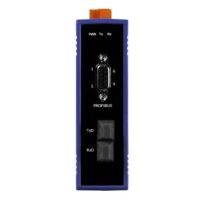
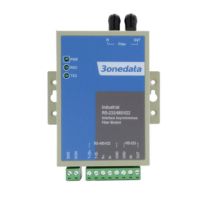
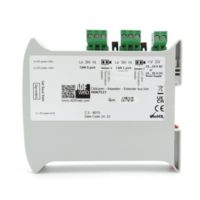
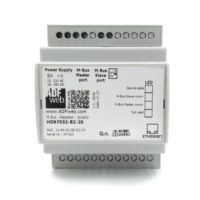
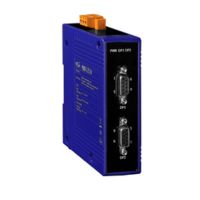
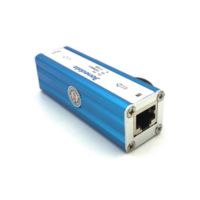
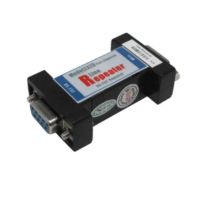
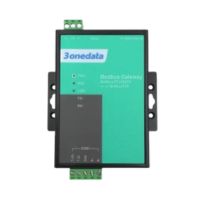
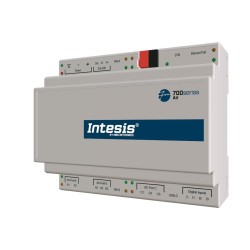
Modbus communication modules for Midea air conditioners
This category includes Modbus communication modules dedicated to Midea air conditioners, especially from the VRF series. These modules allow direct integration of Midea units into centralized building automation systems using the Modbus RTU protocol over RS-485. Thanks to this integration, operators and facility managers can control HVAC systems from a central platform, gaining real-time access to temperature settings, system status, alarms, and operational variables. Remote control not only improves comfort and monitoring, but also enables predictive maintenance and more energy-efficient system operation.
Modbus modules are designed to work with BMS (Building Management Systems), SCADA systems, and other industrial automation platforms that support the Modbus RTU standard. By implementing these modules, facilities such as office buildings, hotels, shopping centers, and production plants can achieve comprehensive HVAC control and reduce the need for manual operation or individual remote controls.
The list of compatible indoor Midea units is available in the documentation –
COMPATIBILITY LIST.
Features and functions of Midea Modbus communication modules
Each Midea Modbus communication module enables one VRF indoor unit to be connected to a Modbus gateway. For more complex systems, these modules can be deployed in series on a single RS-485 Modbus RTU bus, allowing the integration of up to 63 air conditioners into one network. This setup is ideal for large installations where HVAC performance and data need to be managed efficiently from a unified control environment.
The modules allow both reading and writing of key variables such as setpoint temperature, fan speed, operation mode (cooling/heating/auto), and unit status. Additionally, the modules can report faults, alarms, and maintenance indicators such as operation hours or filter cleaning intervals, which is crucial for scheduling preventive service and reducing the risk of unexpected breakdowns.
The configuration of Midea Modbus modules is user-friendly and can be performed either via DIP switches located on the hardware or through the Modbus RTU protocol. This flexibility allows the installer or integrator to quickly adapt the module to the network architecture and unit configuration. The modules are compatible with the existing infrared remote controllers, ensuring that manual control by users remains possible even after Modbus integration.
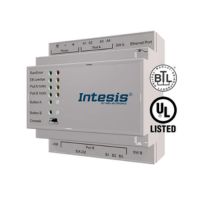
In terms of physical installation, each unit features internal power supply, 1500 VDC isolation between interfaces, and is suitable for wall mounting or DIN rail (TH35) mounting inside control cabinets. This makes the modules ideal for both retrofitting existing systems and implementing new industrial-grade automation solutions.
A properly installed and configured Modbus module enables seamless interoperability with other Modbus-enabled devices in the facility – including PLCs, industrial HMIs, energy meters, and environmental sensors. By combining HVAC control with broader automation processes, businesses can significantly enhance overall energy performance, comfort, and compliance with energy efficiency standards such as ISO 50001.
Integrators and designers will also appreciate the ability to standardize Modbus communication across multiple HVAC brands, as many Intesis gateway modules follow a unified approach to structure and parameter mapping. This simplifies programming and maintenance, especially in environments where different HVAC systems coexist.
If you have any doubts about the compatibility of your Midea air conditioner with our control module, our specialist will be happy to help confirm product compatibility –
contact an expert.
Select the Midea Modbus module you are interested in and read the detailed technical description to ensure the best solution for your building automation project.