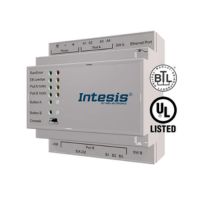
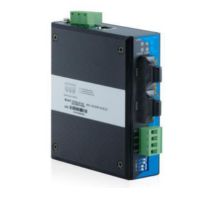
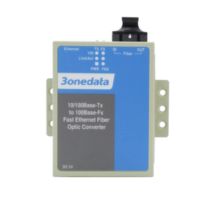
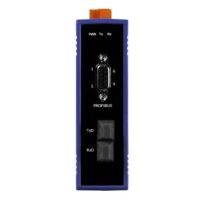
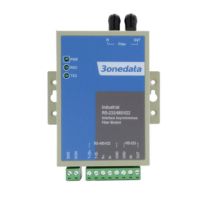
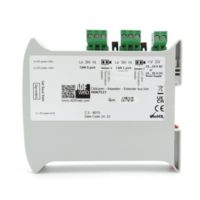
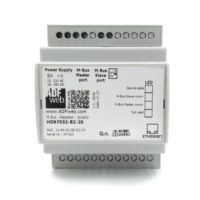
An MQTT to KNX converter is a specialized device designed to enable direct integration
between modern systems based on the MQTT protocol and the classic KNX building automation bus.
In industrial and commercial environments, where IoT solutions, BMS platforms and cloud-based
systems are increasingly common, an industrial MQTT to KNX converter plays a key role
in ensuring seamless communication between the OT and IT layers.
By using MQTT to KNX converters, it becomes possible to control lighting, HVAC systems,
blinds, sensors and other KNX devices directly from supervisory systems,
data servers, SCADA applications, analytics platforms or cloud services.
At the same time, data from the KNX bus can be published to an MQTT broker
and further processed, archived or visualized.
What is an MQTT to KNX converter used for?
The primary function of an MQTT to KNX converter is bidirectional data exchange
between the KNX bus and an MQTT-based infrastructure.
The device translates KNX telegrams into MQTT messages (publish)
and interprets subscribed MQTT topics, converting them into appropriate KNX commands.
In practice, this enables:
- remote control of KNX devices from IoT systems and web applications,
- integration of KNX installations with BMS, SCADA and cloud platforms,
- collection of measurement data from KNX and publishing it to an MQTT broker,
- process automation based on data from multiple sources,
- centralized management of buildings and distributed facilities.
Where are MQTT to KNX converters most commonly used?
An industrial MQTT to KNX converter is used wherever classic building automation
must be connected with modern IT systems.
Typical applications include both commercial buildings and industrial installations.
The most common use cases include:
- office buildings and smart buildings,
- hotels, shopping centers and public facilities,
- industrial plants and production halls,
- energy management systems and utility consumption monitoring,
- integration of KNX with cloud platforms and IoT ecosystems.
In such environments, an MQTT to KNX converter allows existing KNX infrastructure
to be preserved while opening it up to new functionalities
and modern data management models.
How to connect MQTT and KNX networks?
The connection between MQTT and KNX networks is established via an industrial converter
equipped with a KNX interface (TP) and an Ethernet interface for communication with the MQTT broker.
The device acts as an intermediary, providing full logical separation between the two networks.
The converter communicates with the MQTT broker via LAN or VPN,
enabling secure data transmission even in distributed installations.
The KNX bus remains local, stable and independent of the IT infrastructure,
while still being accessible to supervisory systems.
How to configure an MQTT to KNX converter?
Configuration of an MQTT to KNX converter is typically carried out using
dedicated manufacturer software or a web-based interface.
The configuration process is clear and does not require changes
to the existing KNX application logic.
The basic configuration steps include:
- defining the connection to the MQTT broker (address, port, authentication),
- mapping KNX group addresses to MQTT topics,
- defining data flow direction (KNX → MQTT, MQTT → KNX),
- setting data formats and object types,
- communication testing and diagnostics.
This allows the industrial converter to be precisely adapted to a specific application,
regardless of the installation size or complexity.
Why choose industrial MQTT to KNX converters?
Choosing an industrial MQTT to KNX converter ensures operational stability,
resistance to interference and reliable continuous operation.
Devices of this class are designed for 24/7 use
in demanding industrial and commercial environments.
The use of MQTT to KNX converters enables gradual system modernization
without the need for costly replacement of existing infrastructure.
It is a flexible solution that bridges building automation
with modern communication and data analytics systems.
If you need assistance in selecting the right solution
or want to consult an MQTT–KNX integration for your project,
contact the experts at Consteel Electronics:
https://consteel-electronics.com/contact-us