

































IP68 Keyboard – applications, benefits and selection for industrial environments
IP68 Keyboard – why standard keyboards fail in industrial and medical environments
In production, laboratory, and sanitary environments, standard computer keyboards quickly lose reliability. Dust, moisture, disinfectants, and frequent cleaning lead to mechanical damage and operational failures. This is why IP68 keyboards are increasingly used — designed to operate in conditions where office equipment becomes unreliable.
The IP rating is an international standard defining protection against solids and water. In practice, IP68 indicates full protection against dust and resistance to prolonged water exposure, making these keyboards suitable for demanding industrial environments.
IP68 keyboard vs spill-resistant keyboard — what is the difference?
Terms such as “spill-resistant,” “water-resistant,” and “IP68” are often used interchangeably, but they do not mean the same thing.
- Spill-resistant keyboard – protects against accidental liquid spills.
- Water-resistant keyboard – increased resistance to moisture and splashes.
- IP68 keyboard – fully sealed against dust and water and suitable for washing and harsh environments.
In industrial and sanitary environments, this distinction is critical because only full sealing ensures stable operation.
Why silicone keyboards dominate the IP68 category
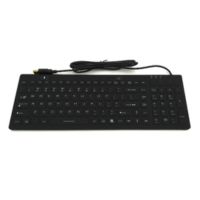
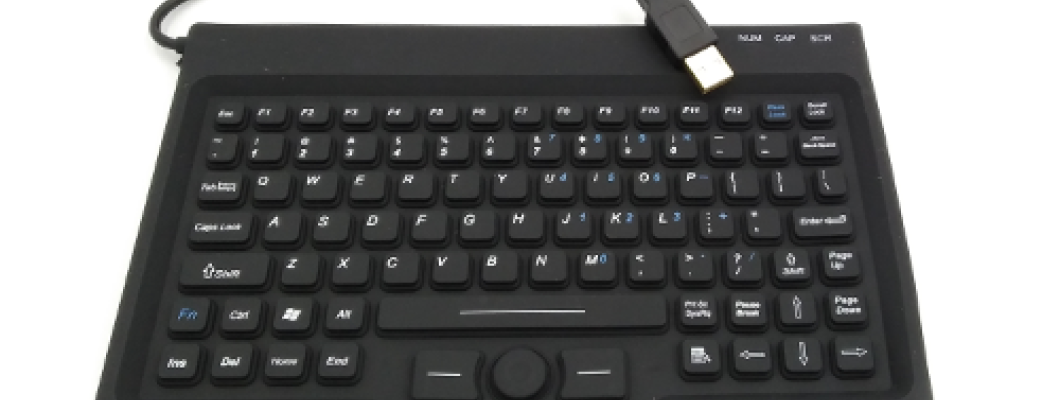
The most common design used to achieve IP68 protection is the silicone keyboard. Silicone provides flexibility, sealing performance, and resistance to chemicals and disinfectants. The absence of gaps and mechanical components reduces contamination buildup and simplifies cleaning.
- smooth surface for easy cleaning and disinfection,
- resistance to moisture, dust, and chemicals,
- quiet operation and fewer contamination-prone elements,
- enhanced durability in industrial environments.
Where is an IP68 keyboard truly necessary?
IP68 keyboards are used wherever working conditions exceed the limits of typical office environments.
- Manufacturing & automation – dust, oils, moisture, and intensive use.
- Food processing industry – frequent washdowns and hygiene requirements.
- Medical & laboratory environments – regular disinfection and contamination control.
- Logistics & warehouses – demanding environmental conditions.
- Wet areas & cold storage – high humidity and low temperatures.
In many industries, sealed input devices reduce downtime risk and maintenance costs.
How to choose an IP68 keyboard for your workstation
Selecting the right model should be based on real working conditions and operator ergonomics.
- Work environment – moisture, dust, chemicals, temperature.
- Hygiene requirements – cleaning, disinfection, sterility.
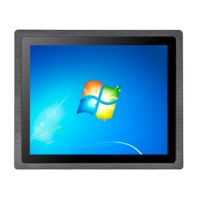
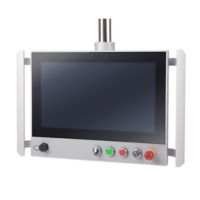
- Interface – USB or PS/2 for industrial computers and Panel PCs.
- Glove operation – essential in production and medical environments.
- Ergonomics – key layout and comfort during shift work.
IP68 keyboards and workplace hygiene & process safety
In environments requiring high hygiene standards, input device surfaces can become contamination sources. A sealed design and the ability to perform regular cleaning help reduce the risk of bacteria and contaminant transfer, which is especially critical in medical and food processing industries.
Where to find silicone IP68 keyboards
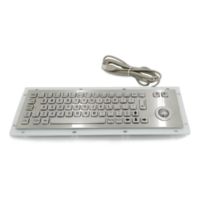
If you are looking for solutions designed for demanding environments, explore available IP68 silicone keyboards. These devices are built for industrial, sanitary, and production environments where reliability, hygiene, and resistance to external factors are critical.
Summary
An IP68 keyboard is designed for environments where standard devices fail. Silicone construction, high sealing performance, and easy cleaning make it an optimal choice for industry, healthcare, and hygiene-critical sectors. Choosing the right device directly improves workstation reliability and helps reduce downtime and maintenance costs.