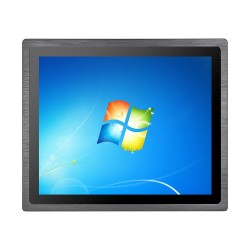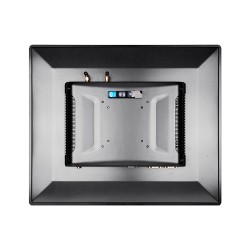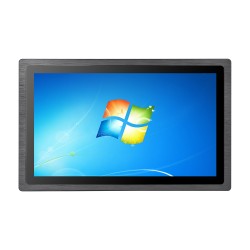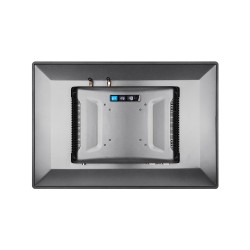



































What are panel computer and how do they work?
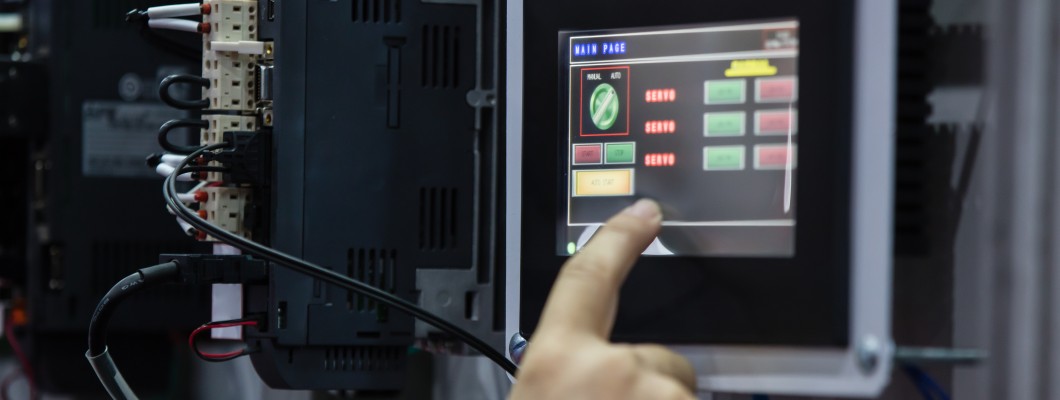
What is a panel PC and how does it work?
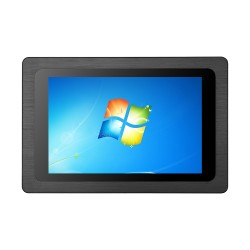
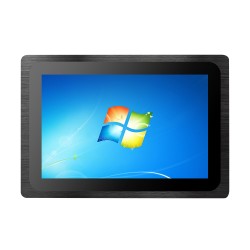
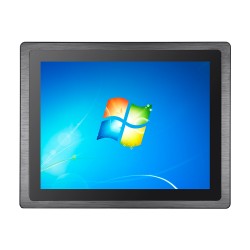
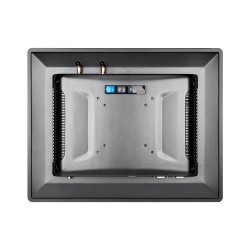
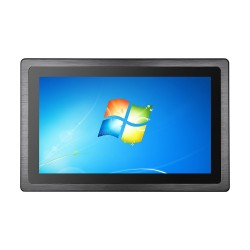
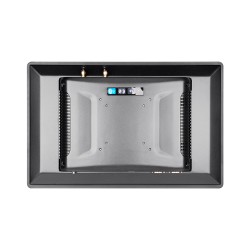
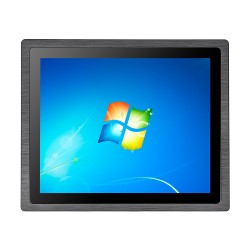
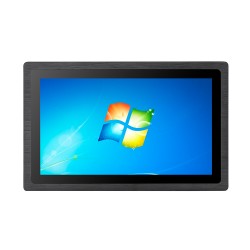
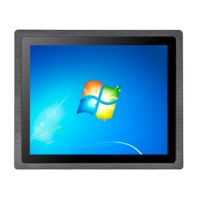
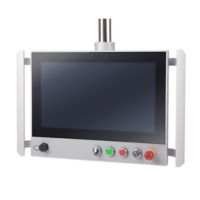
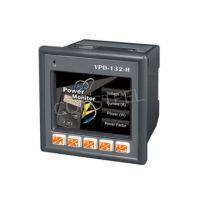
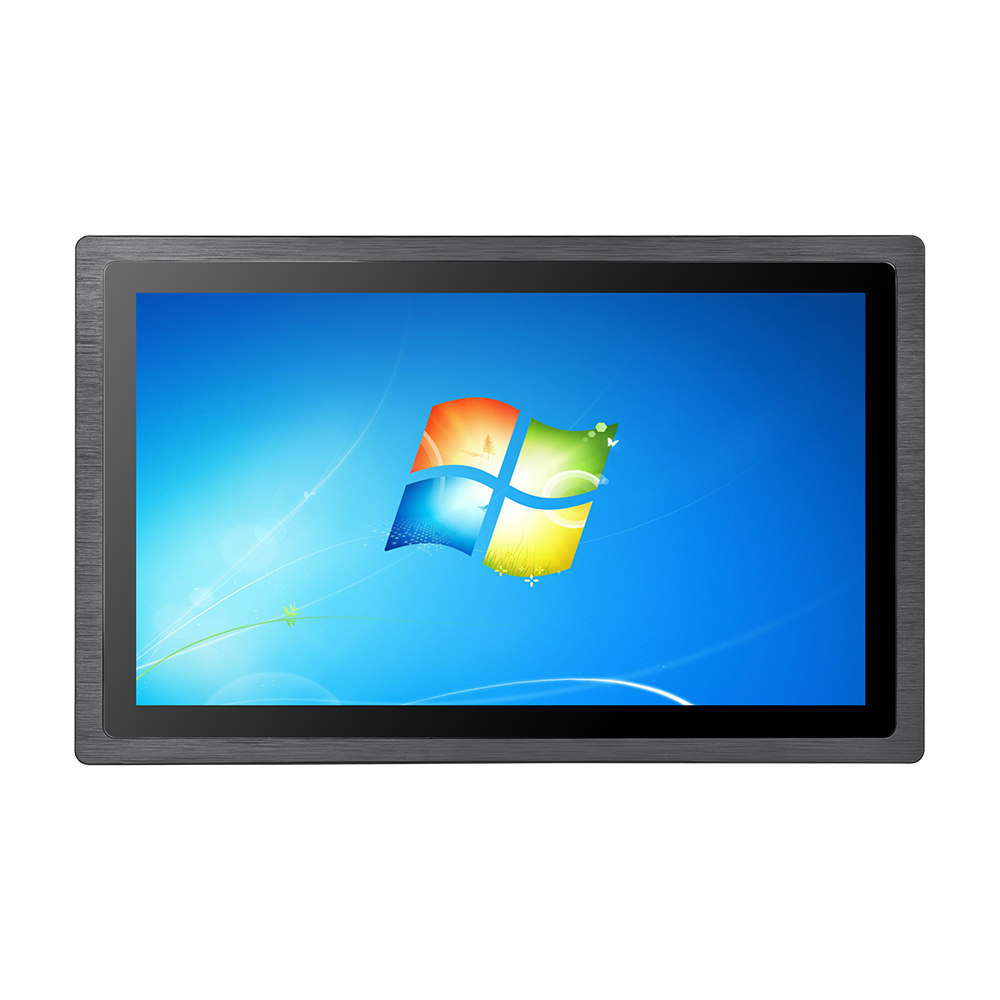
Panel PCs are advanced computer devices that integrate a touchscreen with a central unit in one compact enclosure. Their main advantages are durability, intuitive operation, and versatility, which makes them an ideal solution in industry. In the article below, we will take a closer look at their characteristics, operating principle, and applications.
It is worth emphasizing that panel PCs are developing extremely dynamically. Today, they are no longer just simple operator terminals, but advanced industrial computers with their own operating systems, processors with high computing power, and the ability to integrate with IoT and cloud computing. Thanks to this, they can serve as a production line control center, a real-time data visualization point, as well as a tool for analysis and error prediction.
Characteristic features of a panel PC
- Integrated high-resolution touchscreen – usually from 7 to 21 inches, adapted to work in harsh conditions.
- Resistance to harsh environmental conditions (IP65 and higher protection class) – resistant to dust, moisture, shocks, and extreme temperatures.
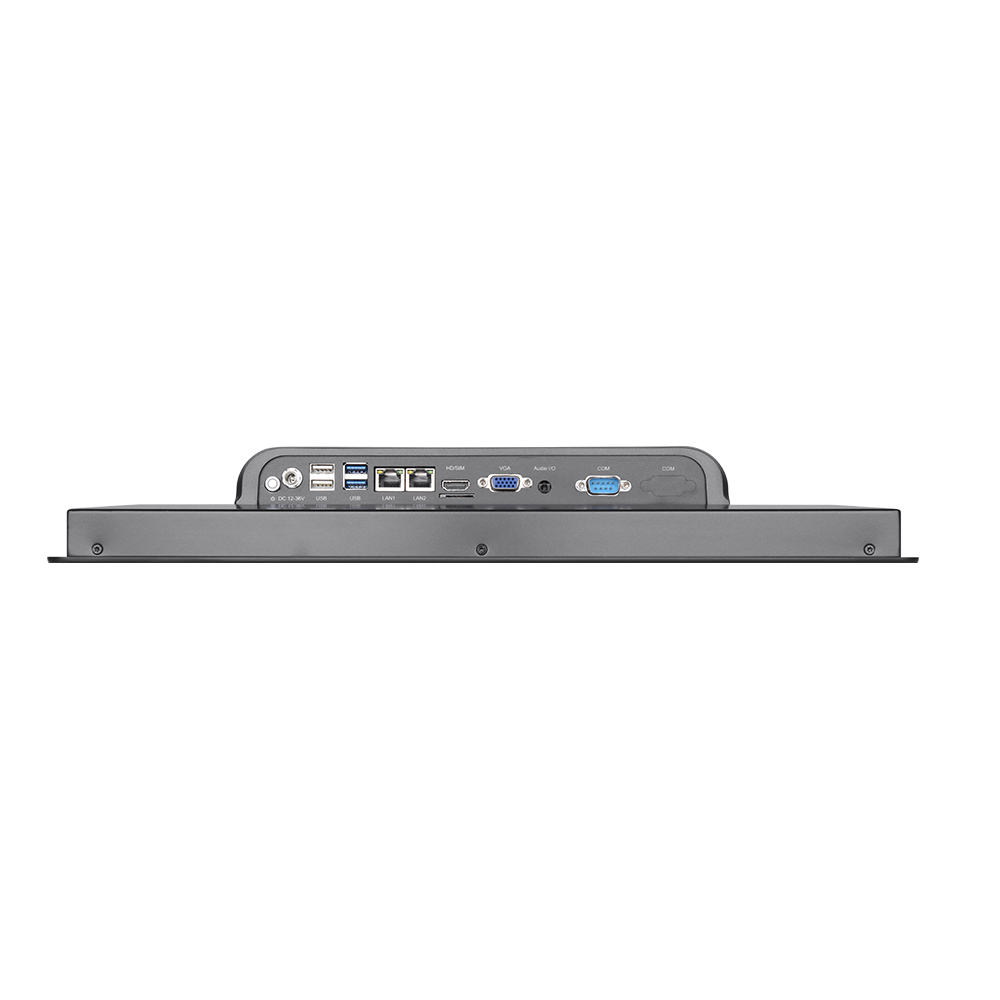
- Configuration flexibility – the ability to adjust the processor, RAM, disk space, and communication ports to the individual needs of the customer.
- Wide operating temperature range – from -20°C to as much as 70°C.
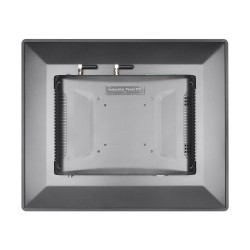
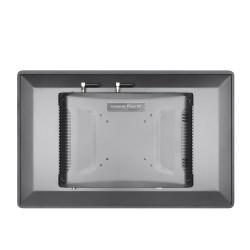
- Built-in fanless cooling systems (fanless design), which reduces the risk of failure and extends the service life of the device.
- Can be operated both with work gloves and with a stylus – ideal for industrial environments.
Thanks to the above features, panel PCs are able to meet the requirements of the most demanding industrial environments, such as factories, production halls, or logistics centers. It is also worth mentioning that manufacturers offer different screen variants – from standard LCDs to high-brightness displays for operation in full sunlight and versions with anti-reflective coatings.
How does a panel PC work?
Panel PCs operate as an HMI interface (Human-Machine Interface) between a person and a machine. Thanks to built-in components such as processors, RAM, and communication ports, they enable advanced operations.
- Visualization of industrial processes in real time – operators can monitor key machine operating parameters.
- Control of machines and devices – panel PCs allow precise management of processes.
- Data monitoring – analyzing and collecting production data to optimize processes.
- Support for industrial protocols – Modbus, OPC UA, Profinet, EtherCAT, which allows integration with a wide range of devices.
- Edge computing – preliminary data analysis directly on the device, which reduces delays and data transmission costs.
The most common applications of a panel PC
Thanks to their versatility, panel PCs are used in many industrial sectors. They can operate both as operator terminals and as independent computers controlling technological processes.
- Industrial automation: Control of production lines, management of technological processes, integration with MES systems.
- Transport and logistics: Fleet monitoring, warehouse management, operation of forklift terminals.
- Energy sector: Management of energy systems, monitoring of infrastructure parameters.
- SCADA systems: Visualization and control of complex technological processes.
- Medicine and pharmaceuticals: Operation in clean rooms, handling medical devices, monitoring laboratories.
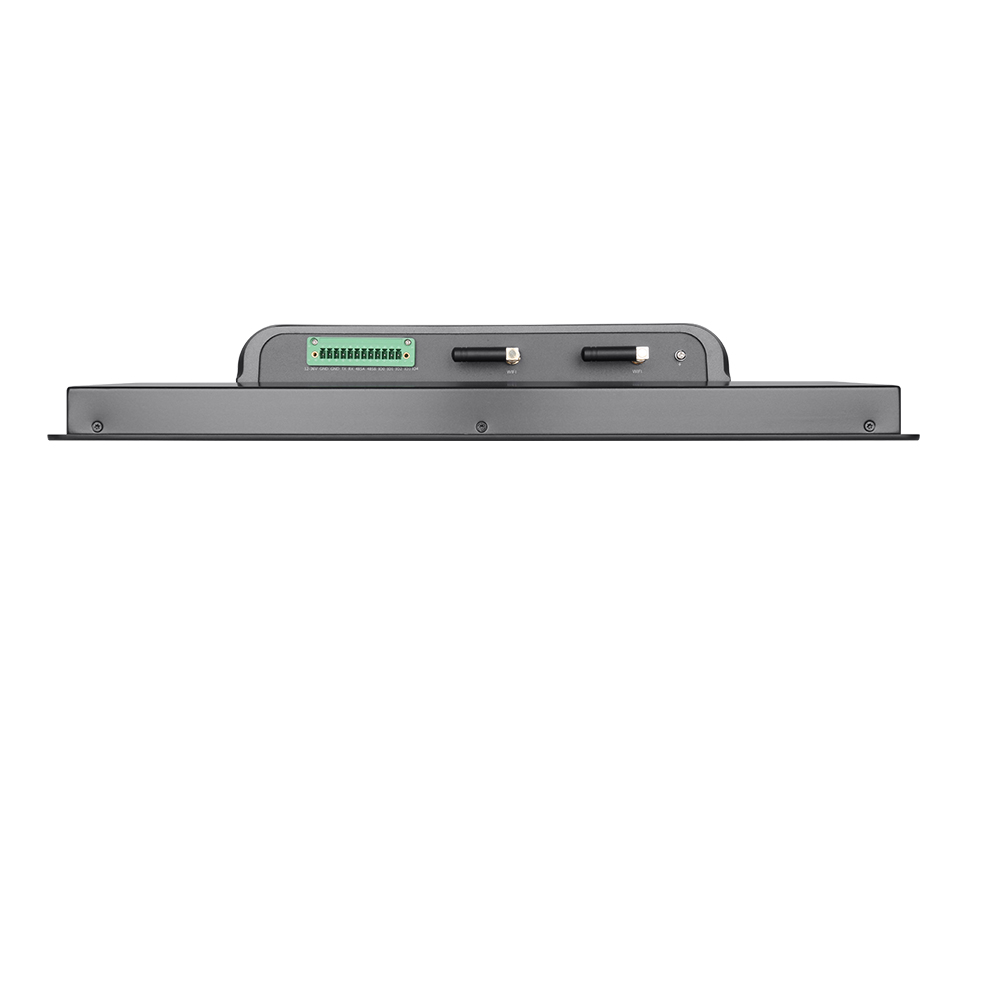
Why is it worth choosing a panel PC?
If your company needs reliable solutions in the field of industrial automation, panel PCs may be the answer. They offer reliability, configuration flexibility, and intuitive operation. Both basic models and advanced panel PCs with Windows, Linux, or Android systems are available.
FAQ – the most frequently asked questions about panel PCs
- Can panel PCs operate in harsh conditions? Yes, thanks to the IP65/IP67 protection class they are resistant to dust, water, and vibrations.
- Which operating systems do they support? Most often Windows 10 IoT, Linux, or Android.
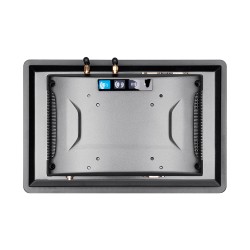
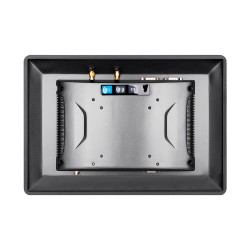
- Can I install them in a control cabinet? Yes, most models are designed for panel mounting or VESA.
- Are panel PCs suitable for 24/7 operation? Yes, they are designed for continuous operation in industrial applications.
Visit our website to learn more about our offer: Panel PCs, or contact us for assistance in choosing the right model.