






































How Does a Modbus Gateway Work? Differences Between Modbus TCP vs Modbus RTU
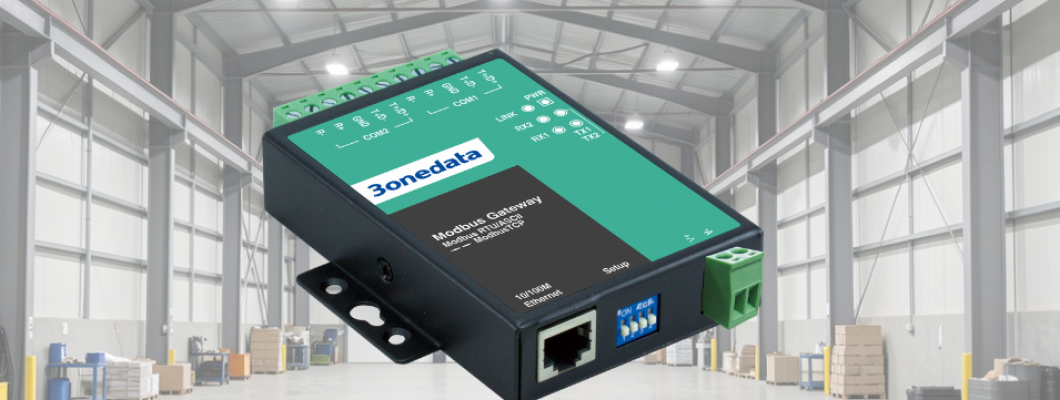
How can you easily understand and learn what a Modbus gateway is? Simply review the information below, where we introduce and explain the most important issues related to Modbus gateways. Modbus gateways are key in industrial automation. They connect different Modbus networks, ensuring smooth communication.
These devices bridge the gap between Modbus RTU and Modbus TCP/IP protocols. Such integration is essential for modernizing legacy systems in industrial infrastructures.
Understanding what a Modbus gateway is used for requires mastering the basics of the Modbus protocol. This protocol, developed in 1979, remains a standard in industrial environments.
Modbus RTU and Modbus TCP/IP are its two main variants. Each serves different purposes, addressing different communication needs.
Below, the functions, types, and applications of Modbus gateways will be discussed.
What is a Modbus gateway?
A Modbus gateway is a key component of industrial communication. It acts as an intermediary, connecting different types of Modbus networks. This functionality is essential for integrating systems that use Modbus RTU and Modbus TCP/IP protocols.
The primary role of a Modbus gateway is converting communication formats. It translates Modbus RTU messages, commonly used in serial communication, into Modbus TCP/IP messages adapted for Ethernet networks. This conversion allows systems running on different protocols to communicate effectively.
Here are some key features of a Modbus gateway:
Protocol conversion: translates between Modbus RTU and Modbus TCP/IP.
Scalability: supports different network sizes and levels of complexity.
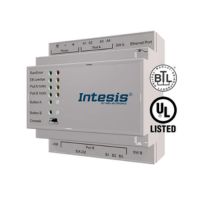
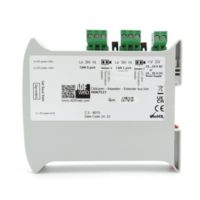
Compatibility: effectively integrates legacy and modern devices, such as the GW1101-1D(RS-485) gateway model.
Modbus gateways are an integral part of modern industrial systems. They simplify network architecture, reducing wiring complexity and installation costs. Their role in enabling remote monitoring and control cannot be overstated. In practice, they ensure that diverse systems can work together without disruption, increasing overall network efficiency and reliability.
How does the Modbus protocol work?
The Modbus protocol is the foundation of industrial communication, created in 1979. It was designed for communication in automation environment networks. Its simplicity and open nature have made it widely adopted across many industries.
The protocol operates in a master-slave architecture, enabling efficient data exchange. In such a setup, the master device sends requests for information, and slave devices respond. This simple mechanism makes Modbus easy to implement and diagnose.
Key features of the Modbus protocol include:
Flexibility: supports different data types and transmission modes.
Robustness: known for reliability in various environments.
Availability: open and supported by many manufacturers.
Overall, Modbus is crucial for seamless integration in industrial networks. Its adaptability allows it to evolve with technological trends while maintaining its core strengths: reliable communication and simplicity.
Modbus RTU vs. Modbus TCP/IP
Modbus RTU and Modbus TCP/IP are two popular variants of the Modbus protocol. Each addresses different communication needs in industrial environments. Understanding the differences helps you choose the right communication mode.
Modbus RTU is a serial communication protocol. It runs over RS-232 or RS-485, making it suitable for short distances. Known for efficiency, Modbus RTU uses compact message formats that work well in bandwidth-limited environments.
In contrast, Modbus TCP/IP operates over Ethernet networks. This version supports communication over longer distances and fast data transfer. The ability to integrate with internet protocols makes Modbus TCP/IP suitable for modern digital environments.
Key differences include:
Communication medium: Modbus RTU uses serial lines, while Modbus TCP/IP uses Ethernet.
Speed and range: Modbus RTU is slower and short-range; Modbus TCP/IP is faster and long-range.
Use case: Modbus RTU fits legacy systems; Modbus TCP/IP fits modern systems.
The choice between them depends on the existing network infrastructure and the specific requirements of the application.
How Modbus gateways work
Modbus gateways act as essential bridges between different Modbus networks. They enable communication between devices operating on Modbus RTU and Modbus TCP/IP. This compatibility enhances network integration capabilities.
The primary role of a Modbus gateway is data conversion. It translates Modbus RTU messages into Modbus TCP/IP formats and vice versa. This allows legacy devices to work seamlessly with modern IP-based systems.
To ensure smooth communication, gateways perform several tasks:
Protocol translation: converts data between Modbus RTU and Modbus TCP/IP.
Network management: manages device identifiers and network addresses.
Data handling: controls data flow, prevents overloads, and maintains signal integrity.
These functions ensure that communication between different network protocols runs without interruptions. Thanks to advanced capabilities, Modbus gateways provide a reliable backbone for efficient data transfer in industrial automation systems.
Key functions and benefits of Modbus gateways
Modbus gateways are equipped with advanced features that strengthen industrial communication networks. They support a wide range of Modbus devices, enabling seamless integration. This adaptability promotes scalability and network flexibility, allowing systems to grow and evolve.
One of their main advantages is ease of configuration. They typically offer user-friendly web interfaces or software tools. These solutions simplify commissioning and maintenance, reducing the need for extensive technical knowledge.
Additionally, Modbus gateways improve system efficiency and reduce complexity. Key functions include:
Multi-protocol support: enables interoperability with multiple communication protocols.
Data security: provides encryption to protect data.
Diagnostic tools: offers troubleshooting capabilities for quick fault identification.
Overall, Modbus gateways provide a robust and cost-effective solution for handling diverse industrial network communication needs. They deliver reliable and efficient data exchange, essential in modern automation systems.
Typical applications of Modbus gateways
Modbus gateways are essential in many industrial applications where smooth data communication is critical. They connect legacy devices to modern network infrastructure, increasing operational efficiency. Industries use them for real-time monitoring and control of automation systems.
These gateways are often used across different sectors thanks to their versatility. Their applications include:
SCADA systems: for centralized data monitoring.
Energy management: for optimizing consumption and control.
Building automation: improving comfort and efficiency.
Oil and Gas: for reliable field data communication.
In summary, the ability of Modbus gateways to connect different network environments makes them indispensable. They provide reliable solutions in many applications, ensuring solid and efficient communication tailored to industrial needs.
Choosing the right Modbus gateway
Choosing the right Modbus gateway requires understanding the specific needs of the application. Compatibility with existing network protocols is crucial to ensure seamless integration. Assess the scale and complexity of the network, taking into account the number of connected devices.
Several factors should guide your choice:
Protocol support: make sure both Modbus RTU and Modbus TCP/IP are supported.
Network environment: consider industrial vs. non-industrial conditions.
Data throughput: match gateway performance to network requirements.
In addition, ease of configuration and future scalability matter. Choose gateways with user-friendly interfaces and strong security features. These aspects help you select a solution that improves network performance while meeting operational requirements.
What is a Modbus gateway? - summary
Understanding the role of Modbus gateways is key to effective network integration in industrial environments. These devices bridge the gap between different communication protocols, improving connectivity.
By enabling seamless data exchange, Modbus gateways increase the efficiency and reliability of networked systems. They ensure that both legacy and modern devices work together without disruption. This interoperability makes them essential in many applications—from manufacturing to energy management. As demand for efficient automation grows, the importance of selecting the right Modbus gateway becomes even more critical.