




























What is a panel computer?
Demand for panel computers
The panel computer market is growing at a rapid pace. More and more industrial and service companies are looking for reliable, compact solutions that ensure stable operation in demanding environmental conditions. Panel PCs are used not only in manufacturing but also in transportation, logistics, energy, healthcare, and even in modern retail. The demand is driven by the growth of automation, the development of Industry 4.0, and the increasing importance of real-time data analytics.
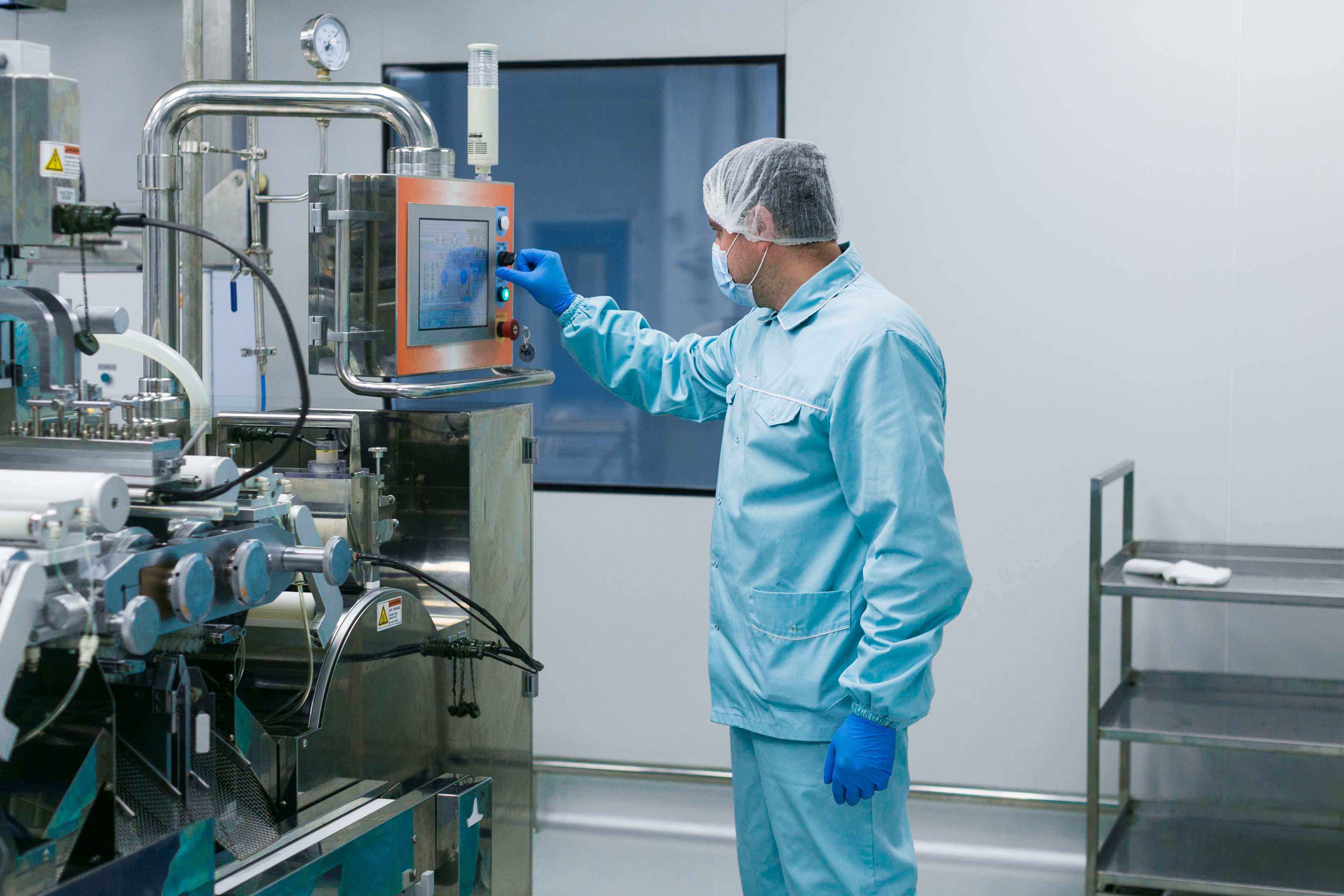
Most people are familiar with PCs ("Personal Computers"), but far fewer understand the difference between commercial PCs and panel computers. While PCs are commonly used in offices, panel PCs are specialized devices designed for use on or near machinery in industrial environments such as production halls or facilities located in remote areas. Panel computers are built specifically to run HMI/SCADA software, allowing operators to monitor and control processes in virtually every industry, including food production, oil and gas, automotive, water and wastewater, and many more.
Characteristics of panel computers
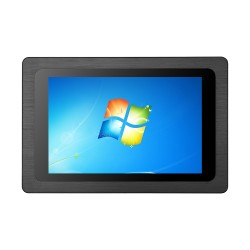
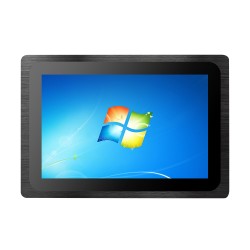
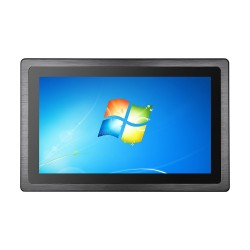
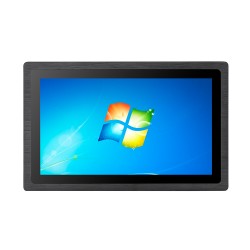
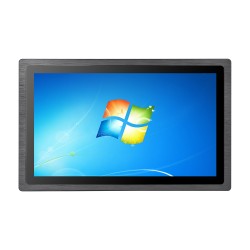
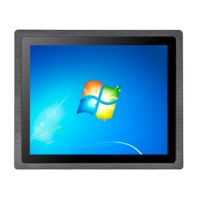
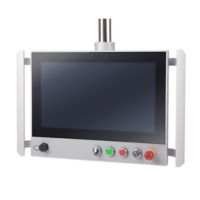
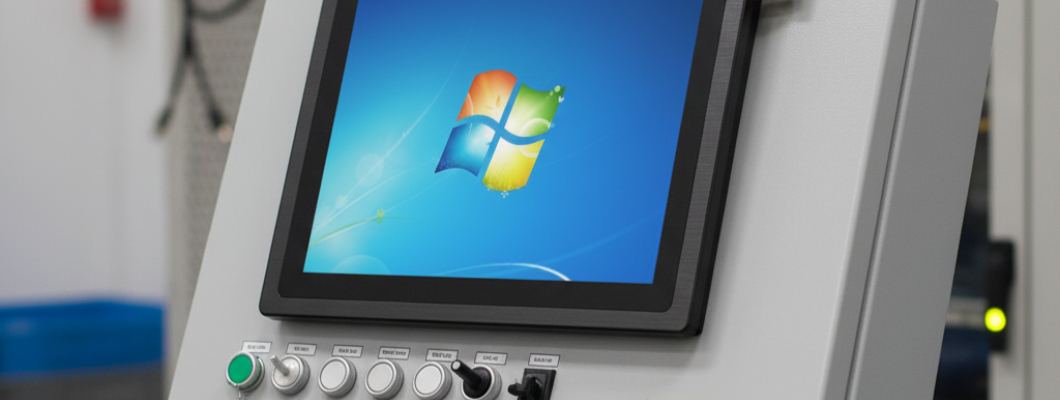
Panel computers are integrated "all-in-one" devices equipped with a display and a computing unit. The displays are touchscreens that can be either capacitive or multi-touch, as well as resistive, which means they can be used while wearing gloves. In terms of resistive technology, some panel PCs also offer the choice between capacitive (PCAP) and resistive screens. PCAP screens work by maintaining a constant electric charge on the sensor, which extends over the contact surface – in this case, the touchscreen – where changes in electric charge can be detected by the proximity of a stylus, finger, or other capacitive objects. In terms of performance, PCAP provides much better visibility, brightness, and reliability. On the other hand, resistive screens are more valuable in applications requiring operators to wear standard, non-specialized gloves, for example in remote locations with harsh weather conditions.
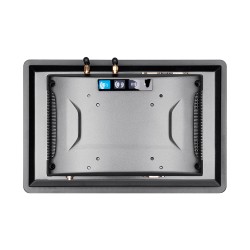
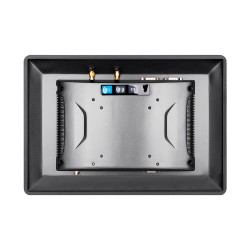
In addition, modern panel computers support a wide range of communication ports (RS232, RS485, Ethernet, CAN, USB, Wi-Fi, LTE/5G) and can run operating systems such as Windows, Linux, or Android. This allows them to easily integrate with existing industrial systems, ensuring continuous data exchange within the framework of IoT and cloud computing. With the growing popularity of edge computing, a panel PC not only displays information but can also analyze data locally and make real-time decisions.
Functions of an industrial panel computer
Panel PCs are generally more durable than their office counterparts, making them more suitable for long-term use in production environments. Operating over a wide temperature range, panel computers are also tested for IP (Ingress Protection), which defines the effectiveness of the enclosure against dust, moisture, and other liquids. Panel PCs can display multiple screens in both vertical and horizontal orientation, allowing them to adapt to different industrial, plant, and field conditions. Many panel computers also include integrated camera, microphone, and proximity sensor options, consolidating all the accessories that may be required, while maintaining compatibility.
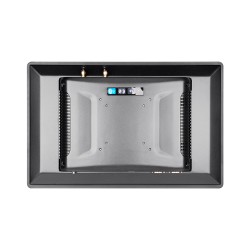
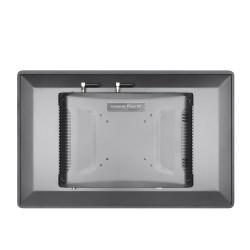
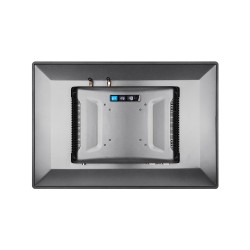
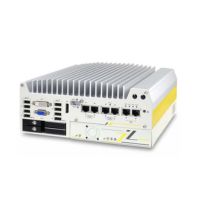
For similar reasons, panel computers regulate their operating temperature differently from commercial or retail computers. Office PCs typically use fans to cool internal systems. However, fans, like any other moving internal components, are not suitable for industrial environments, where dust, large temperature fluctuations, shocks, and accidental vibrations are common. To stay cool in such conditions, panel computers use fanless heatsink technology. A heatsink is a passive heat exchanger that dissipates heat to regulate the overall temperature of the panel computer.
Main benefits and advantages of panel computers used in industrial environments
Until now, most people associated touchscreens with battery-powered mobile devices such as smartphones and tablets. Although a panel computer cannot fit in a pocket like a smartphone, it runs on wired power, which eliminates the risk of downtime due to charging. Panel PCs also offer greater installation and mounting flexibility compared to traditional office computers, since they do not require additional cabling to separate units.
Another key benefit is space saving. Floor space in production halls is critical, which is why panel computers are designed as compact devices while providing convenient and intuitive operation. Thanks to the touchscreen, they eliminate the need for keyboard and mouse, reducing the amount of cabling and accessories and minimizing the installation footprint.
- Reliability and high performance – panel computers are designed for 24/7 operation, significantly reducing system failures.
- Lower maintenance costs – long-term investment reduces expenses on service, maintenance, and software updates.
- Tested compatibility – manufacturers perform compatibility testing of the display and system, so users do not have to worry about component integration.
CONSTEEL Electronics offers a wide selection of panel computers that meet all standards and are ideal for use in demanding industrial environments. Explore our range today and choose a device that meets your requirements.