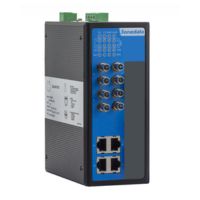
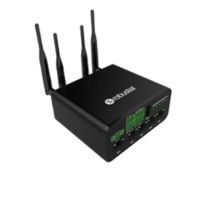
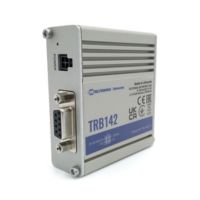
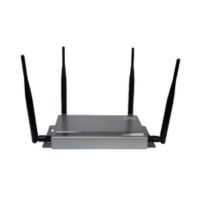
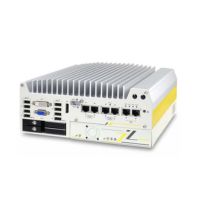
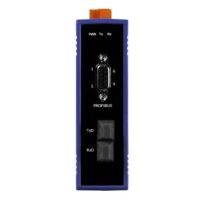
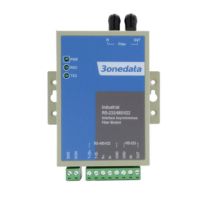
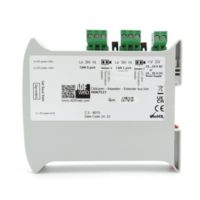
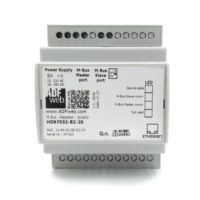
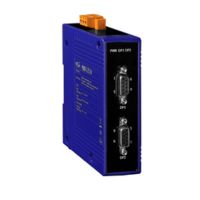
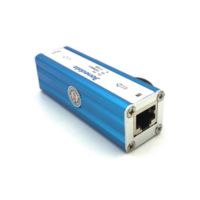
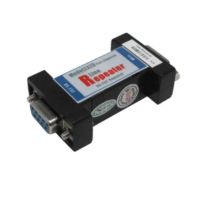
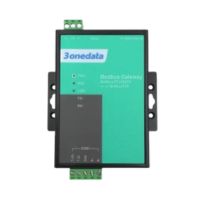
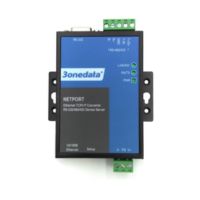
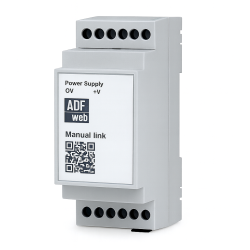
The HTTP to BACnet category includes industrial communication gateways designed to integrate data provided via HTTP, REST API or web services with building automation systems operating in the BACnet IP or BACnet MSTP standard. These devices make it possible to connect modern data sources, cloud applications, IoT systems, meters, controllers, energy platforms or external APIs with classic BMS infrastructure. As a result, data collected from HTTP requests can be displayed in the supervision system as BACnet objects that are clear and usable for integrators, operators and automation engineers responsible for building management.
HTTP to BACnet solutions are especially useful wherever the BMS system needs to use data coming from outside traditional building automation installations. This may include information from weather services, energy meters, utility monitoring applications, facility management platforms, HVAC controllers, photovoltaic systems, energy storage systems or manufacturer-specific applications. The gateway acts as a translation layer that retrieves data from defined HTTP or REST endpoints and then maps it into a BACnet-compatible structure. In practice, this allows API data to be included in BMS visualization, alarm logic, reports, trends and automatic control scenarios.
Why use HTTP to BACnet gateways?
In many modern building installations, data no longer comes only from local controllers, meters or input and output modules. Increasingly, it is provided through HTTP API, REST servers, manufacturer applications or cloud platforms. A standard BMS system cannot always read this type of data directly, because it usually operates in a building automation environment based on protocols such as BACnet IP or BACnet MSTP. A communication gateway solves this problem by enabling structured data exchange between IT, IoT and traditional BMS systems.
Using an HTTP to BACnet converter reduces the need for custom software, manual integrations or non-standard scripts on the supervisory system side. The integrator can map specific values from API responses to BACnet objects, such as analog, binary or multi-state values. This means that the BMS sees the data in a familiar format, while operators can work with it in the same way as with data coming from local automation controllers. This is important in commercial buildings, industrial facilities, hotels, office buildings, logistics centers and all installations where energy management and technical monitoring must be handled centrally.
Typical applications of HTTP to BACnet converters
HTTP to BACnet gateways are used in installations where the BMS system needs to collect data from devices or services that provide information over Ethernet. Typical examples include energy monitoring systems, weather applications, HVAC regulators, heat pump controllers, ventilation systems, utility metering systems, predictive maintenance platforms and applications supervising technical infrastructure. Depending on the configuration, the gateway can perform HTTP requests, process responses and make the obtained values available in the BACnet standard.
- integration of REST API data with BACnet IP or BACnet MSTP systems,
- connection of web applications and IoT platforms to BMS systems,
- reading weather, energy, environmental or production data,
- integration of HVAC devices, meters, regulators and monitoring systems,
- making API data available as BACnet objects in the supervisory system,
- centralization of information from multiple sources in one BMS visualization.
HTTP, REST API and BACnet in one architecture
Integration of HTTP, REST API and BACnet requires correct data mapping between two different communication models. On the HTTP side, data often appears as text responses, JSON structures, numeric values, statuses, flags or parameters returned by an API endpoint. On the BACnet side, the BMS requires an ordered object structure that can be read, archived and used in control logic. A communication gateway makes it possible to define which data should be retrieved, how it should be processed and under which BACnet objects it should be available.
This approach is practical both for new installations and for modernization of existing building automation systems. In older facilities, the gateway can extend the capabilities of the BMS without replacing the entire infrastructure. In new projects, it allows the architecture to be prepared from the beginning for integration with web applications, analytical systems and external data sources. As a result, the investor, integrator and facility administrator gain greater flexibility, better data availability and the ability to create more advanced building management scenarios.
What to consider when choosing an HTTP to BACnet gateway?
When selecting a device from the HTTP to BACnet category, it is important to consider the supported BACnet protocol version, the number of points that can be mapped, the type of network interface, the configuration method and the requirements for power supply and mounting. In BMS projects, the key factor is usually whether the installation works with BACnet IP or requires communication via BACnet MSTP. It is also important to define whether the gateway should operate as an HTTP/REST client retrieving data from an external API or perform another role in the data exchange structure.
Data mapping configuration is another critical element. In practice, this means assigning specific values from HTTP responses to the appropriate BACnet objects. A properly selected gateway should provide clear point configuration, easy communication diagnostics and stable operation in industrial or building automation environments. It is also worth checking the operating temperature range, mounting method, power supply type, availability of technical documentation and configuration software. These elements directly affect commissioning time and later maintenance of the installation.
HTTP to BACnet in building automation and HVAC
In HVAC systems, HTTP to BACnet gateways can be used to collect data from regulators, controllers, manufacturer applications or platforms managing device operation. Data related to temperature, humidity, operating mode, alarms, energy consumption or device status can be made available in the BMS as standard BACnet points. This allows the facility operator to avoid working with multiple separate panels or applications, because the most important information is available from one supervisory system.
This type of solution also supports the growing need for energy optimization in buildings. Data collected from APIs can be used to analyze utility consumption, plan operating schedules, react to weather conditions and monitor the efficiency of technical systems. In facilities where data plays an increasingly important role, HTTP to BACnet integration makes it possible to use information from different sources without giving up the proven communication standard used in BMS systems.
Selecting an HTTP to BACnet gateway with CONSTEEL Electronics
At CONSTEEL Electronics, we offer gateways and communication converters designed for the integration of building automation, HVAC, energy and industrial infrastructure systems. The HTTP to BACnet category has been prepared for integrators, designers, automation engineers and technical maintenance teams that need a reliable way to connect API data with a BMS system. The selection of the right device depends on the installation architecture, number of points, BACnet communication type, data type on the HTTP side and requirements for diagnostics and configuration.
If you are not sure which HTTP to BACnet converter will be suitable for your application, contact our team. We will help you select a gateway for your specific BMS system, end devices and API data sources. We support customers at the stage of product selection, verification of technical parameters and preparation of documentation needed for implementation. Contact us using the form on the CONSTEEL Electronics website and describe what data you want to retrieve via HTTP and to which BACnet system it should be transferred.