
































BACnet MSTP to HTTP converters for building automation
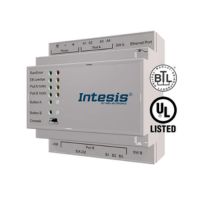
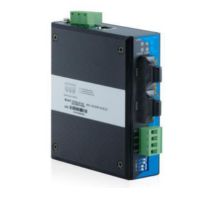
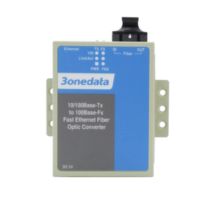
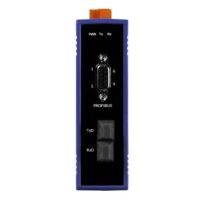
BACnet MSTP to HTTP converters are communication gateways designed to connect building automation installations with systems based on Ethernet, web communication, supervisory applications or API-oriented data exchange. Their main purpose is to collect data from devices operating in the BACnet MSTP protocol and make it available in a format that can be used by HTTP or HTTP/REST systems. This allows data from HVAC installations, controllers, meters, regulators, ventilation units, cooling systems, measurement modules and BMS networks to be transferred to monitoring applications, IoT platforms, reporting systems or external analytical tools.
In practice, a BACnet MSTP to HTTP converter works as a communication bridge between a traditional building automation bus and a modern network environment. BACnet MSTP is commonly used in BMS and HVAC installations, especially where field devices communicate over a serial bus. HTTP and HTTP/REST, on the other hand, are widely used in web systems, cloud applications, operator dashboards, integration tools and Industrial Internet of Things platforms. By using a dedicated gateway, both environments can be connected without replacing the existing automation infrastructure.
Integration of BACnet MSTP with web applications and API systems
Devices in this category are especially useful when data from a building automation installation must be transferred to systems that do not directly support BACnet MSTP communication. This applies to energy monitoring platforms, remote supervision systems, facility management software, cloud applications, ESG reporting tools, predictive maintenance systems and custom applications created for a specific building or industrial facility. A converter makes it possible to map selected BACnet objects and expose them in a way that is understandable for the higher-level HTTP-based system.
Depending on the model, the gateway can collect data from a BACnet MSTP network and provide it through Ethernet in a format required by the HTTP application. This type of integration reduces the need for manual readings, improves monitoring of operating parameters and helps make better use of data that was previously available only locally within the BMS environment. For system integrators, it provides greater design flexibility. For end users, it enables easier access to information about the condition and performance of the installation.
Where are BACnet MSTP to HTTP converters used?
BACnet MSTP to HTTP converters are used in office buildings, hotels, shopping centres, industrial plants, logistics facilities, public buildings, schools, hospitals and other facilities where building automation infrastructure needs to be connected with IT-oriented systems. They are particularly useful during retrofit projects, where the existing devices still operate on a BACnet MSTP bus, but the building owner or facility manager wants to implement remote monitoring, data reporting, IoT integration or web-based access to operating parameters.
- integration of BMS systems with web applications,
- transfer of HVAC data to HTTP or HTTP/REST systems,
- monitoring of ventilation units, chillers, controllers, meters and regulators,
- connection of BACnet objects to dashboards, reporting systems and IoT platforms,
- modernisation of existing installations without replacing BACnet MSTP devices,
- remote access to technical and operational data from a higher-level system.
Why use a BACnet MSTP to HTTP gateway?
The main advantage of BACnet MSTP to HTTP converters is the possibility of using building automation data in environments that previously had no direct access to the BACnet bus. Instead of creating complex custom software interfaces or replacing existing controllers, a dedicated communication gateway can translate data between protocols. This approach shortens implementation time, reduces integration risk and helps maintain the stability of the existing automation system.
In building automation projects, there is often a need to connect local field devices with a supervisory system that operates outside the traditional BMS layer. This may be an analytical platform, an energy monitoring tool, a service application, an alarm system, a visualisation panel or an external reporting solution. A converter provides a structured and predictable method of exchanging data between the field level and the application level, which is especially important in installations where reliability and long-term compatibility matter.
What should be considered when choosing a converter?
When selecting a BACnet MSTP to HTTP converter, it is important to check the number of supported points or objects, the operating mode on the BACnet side, the available communication interfaces, the power supply range, configuration options, mounting method and the data exchange format on the HTTP side. In building and industrial installations, parameters such as environmental resistance, continuous operation stability, interface isolation and access to technical documentation are also important. The right gateway should match not only the current requirements of the system, but also potential future expansion.
It is also worth defining which data should be collected from the BACnet MSTP network and how it will be processed by the higher-level system. A simple monitoring application that reads a few values will have different requirements than a complex reporting platform that collects data from many devices in real time. Before choosing a converter, it is useful to prepare a list of connected devices, BACnet points, the expected communication direction and the required method of receiving data through HTTP or HTTP/REST.
BACnet MSTP to HTTP converters from CONSTEEL Electronics
At CONSTEEL Electronics, you will find communication converters designed for the integration of building automation, industrial automation and infrastructure systems. The BACnet MSTP to HTTP category includes solutions for projects where data from BACnet devices must be made available to web systems, supervisory applications or Ethernet-based platforms. These gateways are suitable for both new installations and modernisation of existing BMS systems.
If you are not sure which converter is suitable for your installation, contact our team. We will help you select a device according to the system architecture, number of points, required communication direction and data exchange method. This makes it easier to avoid configuration problems and choose a solution that matches the technical requirements of your project. Contact a CONSTEEL Electronics expert and describe which BACnet MSTP devices you want to connect with an HTTP-based system.