Industrial Modbus TCP to Modbus ASCII Converters
This category includes Modbus TCP to Modbus ASCII converters, designed for industrial automation, building management and energy monitoring applications. Modbus TCP is an Ethernet-based communication protocol commonly used for data exchange between PLCs, SCADA systems, HVAC equipment, heating and cooling systems, and comprehensive BMS platforms. By using these converters, it becomes possible to integrate modern Modbus TCP networks with legacy devices that still rely on the ASCII standard. This approach extends the lifecycle of existing equipment, reduces modernization costs and guarantees seamless communication across different generations of devices.
Discover Our Modbus TCP to Modbus ASCII Converters
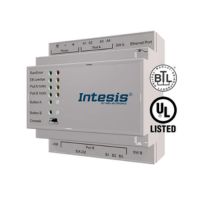
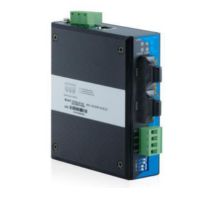
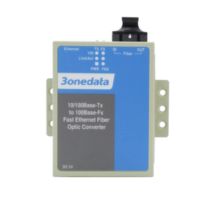
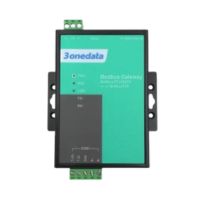
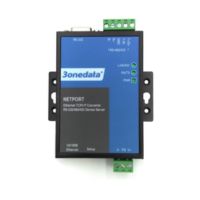
Each Modbus TCP to Modbus ASCII converter in our portfolio is designed for easy DIN rail installation and long-term industrial use. The devices are resistant to electromagnetic interference, vibrations and harsh environmental conditions. With an extended operating temperature range from -40°C to +85°C, they can be deployed both in control cabinets and in outdoor enclosures.
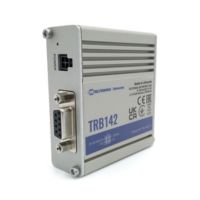
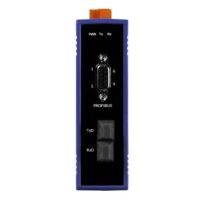
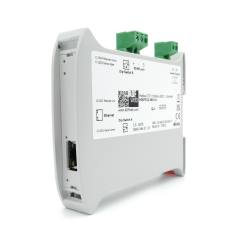
Depending on the model, the converters are equipped with RS232, RS422 or RS485 interfaces combined with Ethernet RJ45 ports, allowing engineers to select the right hardware for their specific application. Free configuration software SW67522 is provided with every unit, enabling quick setup, device mapping and firmware updates without additional licensing costs.
Interface Options – RS232, RS422, RS485
The Modbus TCP to Modbus ASCII converters are available in three main interface versions. Models with RS232 are suitable for simple point-to-point connections over short distances. Converters with RS422 are recommended for longer cables and higher noise immunity, making them a good choice in industrial sites with heavy electrical equipment. Finally, RS485 versions allow multiple ASCII devices to share the same bus line in multidrop installations, ensuring cost efficiency and flexibility in distributed automation projects. This variety guarantees that integrators can select the right product for both small machine-level applications and large-scale building or plant automation systems.
Housing Types – Slim A and Robust B
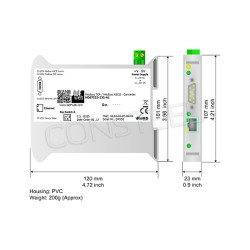
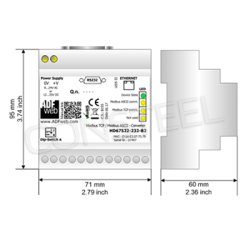
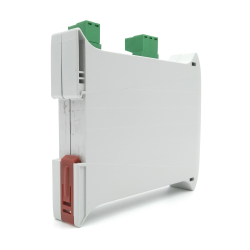
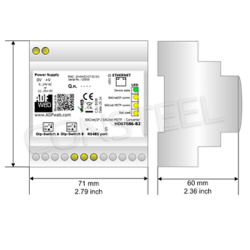
The converters are available in two housing types: Type A (slim) with dimensions 120×23×107 mm, and Type B (compact and robust) with dimensions 71×60×95 mm. Slim Type A housing is perfect for small control cabinets with limited space, while Type B housing provides greater mechanical strength, easier cable management and increased durability for industrial environments. Both housing types are designed for DIN rail mounting and weigh approximately 200 g.
Key Features of Modbus TCP to Modbus ASCII Converters
- Support for high communication speeds – up to 115200 bps in ASCII and 10/100 Mbps in TCP.
- 24/7 reliable operation in harsh environments with wide temperature tolerance.
- Robust galvanic isolation between power supply, Ethernet and serial ports (in selected models).
- Compact size and DIN rail installation for easy integration into control panels.
- Seamless integration with PLC, SCADA, BMS, HVAC and energy monitoring systems.
- Free SW67522 software for configuration, device mapping and firmware updates.
Practical Applications
Industrial Modbus TCP to Modbus ASCII converters are widely used in energy monitoring, HVAC control, building management and factory automation. They are especially useful for connecting legacy ASCII devices such as energy meters, controllers, sensors or HVAC units with modern Ethernet-based supervisory systems. By deploying these converters, system integrators can modernize their networks without replacing older equipment, which reduces investment costs and ensures continuity of operations.
Their robustness, EMC resistance, extended temperature range and continuous operation make them suitable for mission-critical applications where communication must remain stable regardless of external conditions.
Choose the Modbus TCP to Modbus ASCII converter that best suits your application and explore the detailed technical documentation. For personalized support, contact our expert team.