
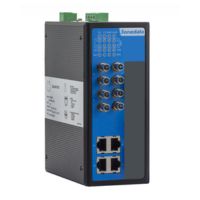
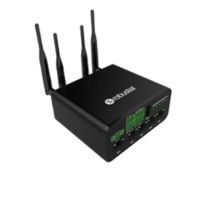
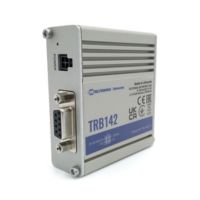



































Modbus gateway – flexible integration solution for industrial and building automation
A Modbus gateway is one of the most important devices in automation, bridging communication barriers between equipment with different protocols. It ensures smooth data exchange between PLCs, sensors, controllers, BMS and SCADA systems. In this article we will guide you step by step – from the basics, through technical details, to practical applications and a real-life case study – to help you select the right Modbus gateway for your project.
What is a Modbus gateway?
A Modbus gateway acts as a translator between protocols, converting communication between Modbus RTU, Modbus ASCII and Modbus TCP. It collects data from slave devices – such as sensors or controllers – and forwards it to higher-level systems like SCADA, BMS or cloud platforms. This allows existing infrastructure to be extended without costly upgrades, while maintaining full interoperability.
RTU, ASCII and Modbus TCP – when to use each?
Modbus RTU is a binary serial format (RS-485) – fast, simple and reliable. ASCII is more human-readable, useful when diagnostic transparency is required. Modbus TCP runs over Ethernet, enabling long-distance communication, integration with IT infrastructure, and multi-client support. Gateways that convert RTU to ASCII or to Modbus TCP/ASCII make it possible to connect legacy field devices to modern Ethernet-based networks without replacing existing equipment.
Example Modbus converters
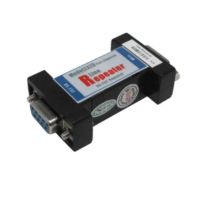
- Modbus RTU → ASCII – converts RTU binary communication into ASCII, useful for systems requiring transparent diagnostics.
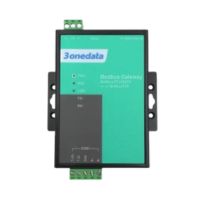
- Modbus RTU → Modbus TCP/ASCII – bridges serial Modbus devices with Ethernet/IP networks, integrating legacy systems with modern IT platforms.
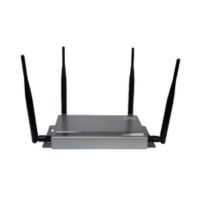
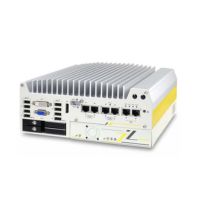
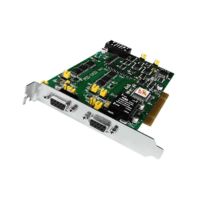
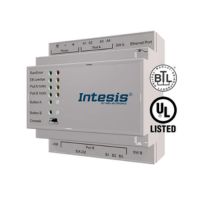
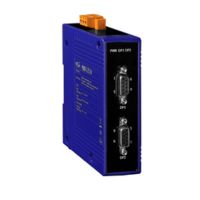
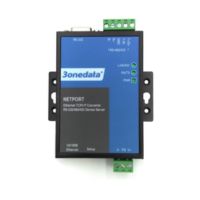
- GW1101-1D-RS-485 – a robust converter supporting RS-485, multiple slaves and easy configuration, designed for industrial environments.
Where are Modbus gateways used?
Modbus gateways are deployed wherever devices using different standards need to work together. Examples include: energy monitoring (RS-485 meters connected to Ethernet SCADA), HVAC integration in building automation, water supply monitoring, and IoT projects where data from distributed sensors is sent to the cloud. In all these cases, gateways ensure efficient data flow and centralized control.
Key benefits of using Modbus gateways
- Reuse existing infrastructure without replacing slave devices.
- Flexibility to expand networks with new devices.
- Improved access to data via Ethernet and cloud integration.
- Faster troubleshooting thanks to transparent diagnostics.
- Reduced installation and maintenance costs.
Expert tips for integrators
- Evaluate whether you need RTU, ASCII, TCP or a combination.
- Check the number of slaves to be connected before choosing a gateway.
- For industrial environments, select DIN-rail or IP65/IP67 enclosures.
- Always test the device in real conditions with a proof-of-concept phase.
- Consider gateways supporting multiple protocols (BACnet, KNX, MQTT) for future scalability.
Case study – Modbus gateway in a food processing plant
A medium-sized food factory needed to integrate several Modbus RTU sensors with a SCADA system operating on Modbus TCP. Replacing the entire sensor network was not feasible due to costs and downtime. Instead, a GW1101-1D-RS-485 gateway was installed, enabling direct integration of RS-485 sensors with the SCADA over Ethernet. The solution was deployed in just one day, without halting production, reducing investment costs by more than 70% compared to a full system upgrade.
Test before deployment – free program
Choosing the right Modbus gateway depends on protocols, devices, and the environment. At Consteel Electronics, we provide a free testing program so you can evaluate the device in your real application. For tailored advice, contact our experts.
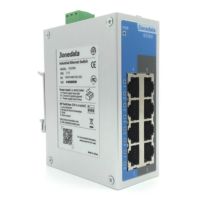
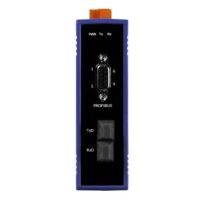
-P1-250x250h.png "GW1101-1D(RS-485) - Industrial Modbus RTU / ASCII gateway to Modbus TCP")
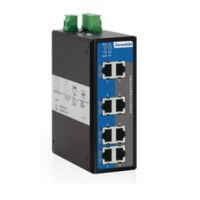
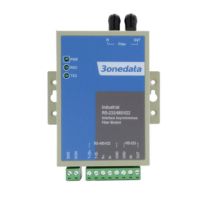
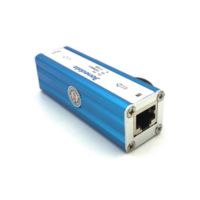
-3-250x250w.png "GW1101-1D(RS-485) - Industrial Modbus RTU / ASCII gateway to Modbus TCP")
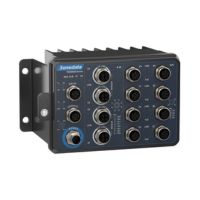
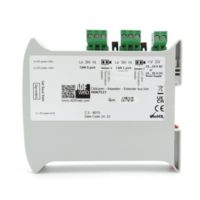
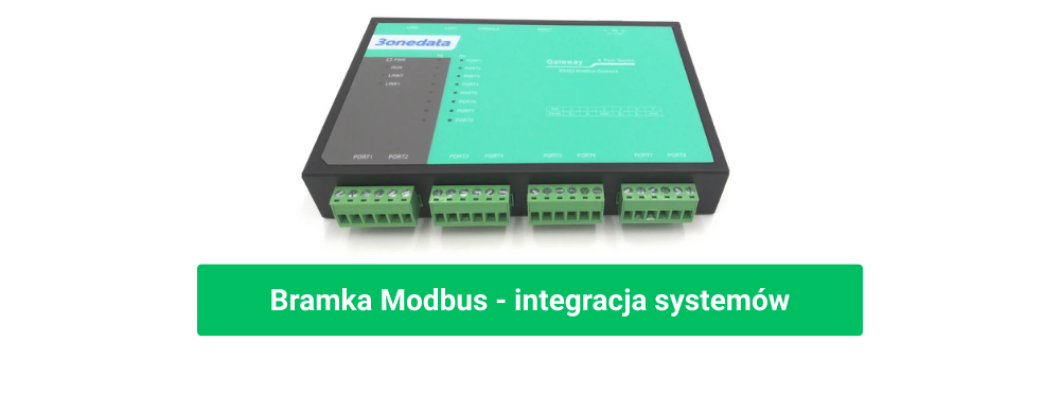
-P1-250x250w.png "GW1118-8DI(RS-485) - Modbus RTU / ASCII gateway to Modbus TCP, 8 serial ports RS-485/422 and 2 Ethernet ports")
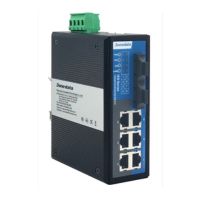
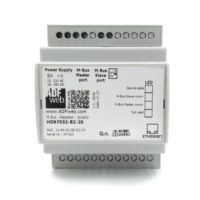
-2-250x250w.png "GW1118-8DI(RS-485) - Modbus RTU / ASCII gateway to Modbus TCP, 8 serial ports RS-485/422 and 2 Ethernet ports")