




































What Is a Modbus Gateway and What to Do If It Does Not Respond?
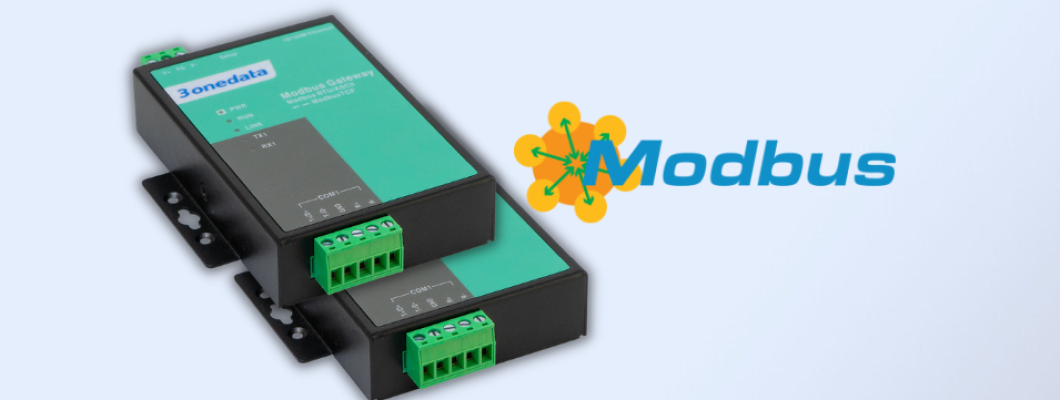
What is the Modbus protocol and a Modbus gateway?
Modbus is a data communication protocol originally published by Modicon (now Schneider Electric) in 1979 for use with programmable logic controllers (PLCs). Modbus has become a de facto communication standard and is now one of the most widely used methods for connecting industrial electronic devices.
The Modbus protocol uses serial communication lines, Ethernet, or Internet protocol stacks as its transport layer. It includes three message types: Modbus ASCII, Modbus RTU, and Modbus TCP.
Modbus enables communication with multiple devices connected to the same cable or Ethernet network. The protocol itself does not define the physical layer, but only the message structure that a controller can recognize and process, regardless of the network used for communication.
Standard physical layer interfaces for the Modbus protocol include RS-232, RS-422, RS-485, and Ethernet.
The protocol uses a master/slave architecture, where there is only one master node that can communicate with multiple slave nodes in the Modbus network.
What is a Modbus gateway?
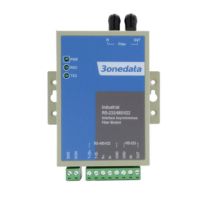
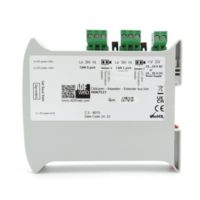
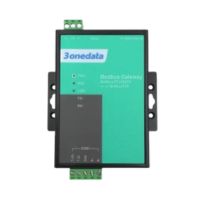
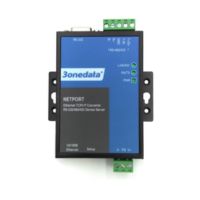
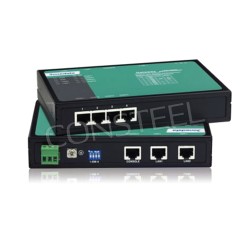
A Modbus gateway such as the GW1101-1DI(3IN1) from 3onedata is an intermediary (bridge) device used in industrial automation systems that enables protocol conversion from Modbus RTU/ASCII to Modbus TCP.
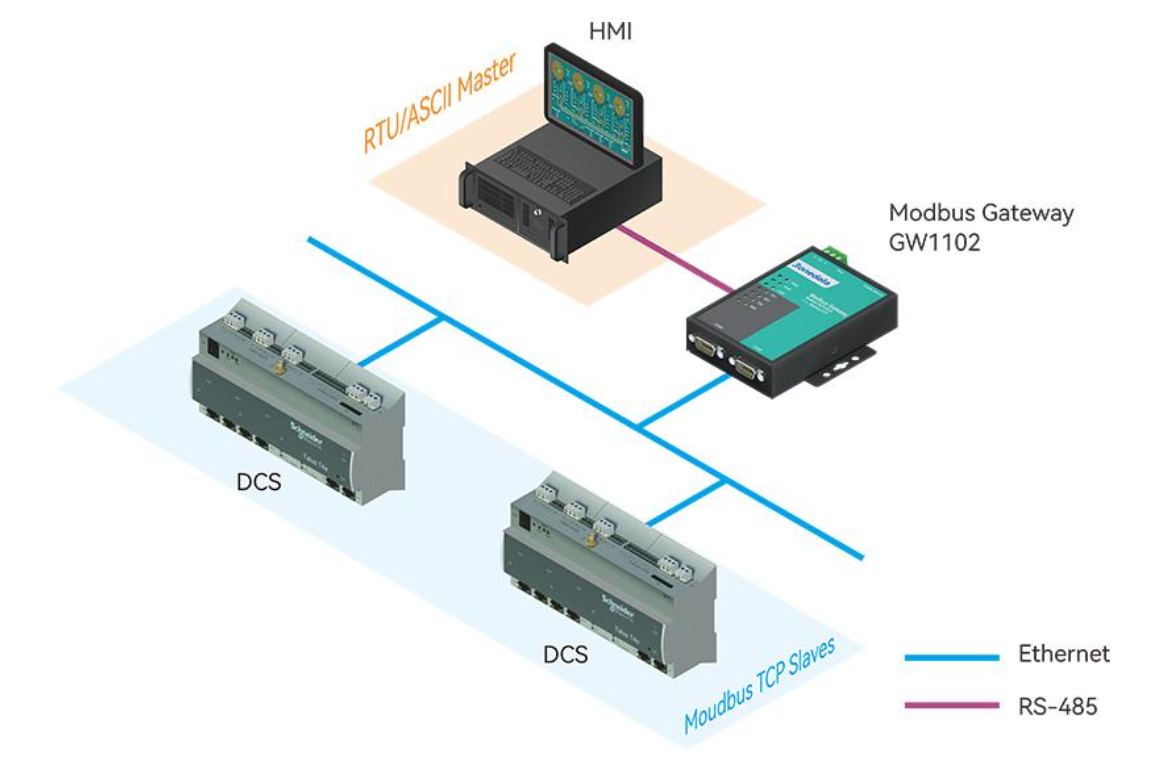
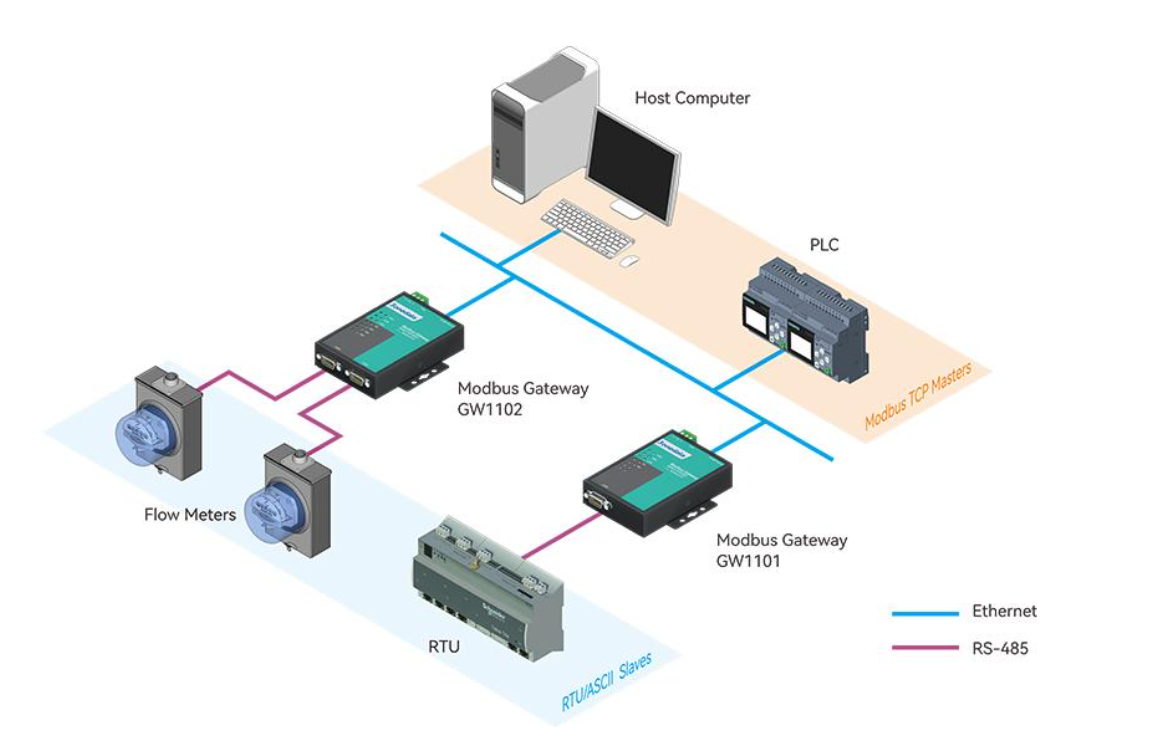
A Modbus gateway supports the protocols most commonly used in industrial PLC controllers, enables remote acquisition of operational data from PLCs, and provides manufacturers and end users with complete solutions for remote maintenance and device management. The gateway device offers data acquisition, wired or 4G data transmission, and data aggregation functions. It is compatible with all devices that support the standard Modbus protocol and operates in plug-and-play mode.
A Modbus gateway can support multiple serial devices and forward data to a remote network.
For example, thanks to the TCP/IP protocol, a remote serial device can be virtually connected to a local computer, enabling remote device management.
What is a Modbus gateway used for?
A Modbus gateway enables conversion between Modbus TCP, ASCII, and RTU protocols. It supports serial ↔ Ethernet communication as well as master ↔ slave operation. In addition, it allows simultaneous connection of serial and Ethernet master devices to serial Modbus devices.
A Modbus gateway can be accessed by up to 32 TCP masters/clients or connected to up to 32 TCP slaves/servers. Serial port routing can be controlled based on IP address, TCP port number, or ID mapping. In the case of 3onedata Modbus gateways, unique prioritization functions allow immediate response to urgent commands. All models are designed for DIN rail mounting and can optionally be equipped with optoelectronic isolation of serial ports.
How to solve the problem: Modbus gateway target device not responding
- Check whether Ethernet devices (e.g. computer/PLC) and the Modbus gateway are reachable in the network, for example whether IP addresses are in the same subnet. If they are in different network segments, verify the correctness of the gateway IP address settings and network cable status.
-
Check whether RS-232/422/485 wiring between the serial device and the Modbus gateway is correct.
Proper connections:○ RS-232: TxD → RxD, RxD → TxD, GND → GND
○ RS-422: T+ → R+, T- → R-, R+ → T+, R- → T-
○ RS-485: T+ → T+, T- → T- - Verify that the serial port parameters in the Modbus gateway match those of the serial device (baud rate, data bits, parity, stop bits, flow control, etc.).
-
Set the appropriate Modbus gateway operating mode according to the function of the end device:○ if the serial device operates as a Modbus Master, the gateway should be set to RTU/ASCII Master mode,
○ if the serial device operates as a Modbus Slave, the gateway should be set to RTU/ASCII Slave mode. - Correctly configure the slave ID mapping table. The slave ID uniquely identifies a Modbus Slave device. The Modbus Master sends commands to the appropriate device based on the ID. If multiple slave devices are connected to a single serial port, their IDs must be unique.
- Check whether Modbus TCP port numbers in the Ethernet device and the gateway match. The default Modbus TCP port is 502.
- Check the correctness of Modbus commands sent by the master, such as function code, slave ID, register address, and number of registers.
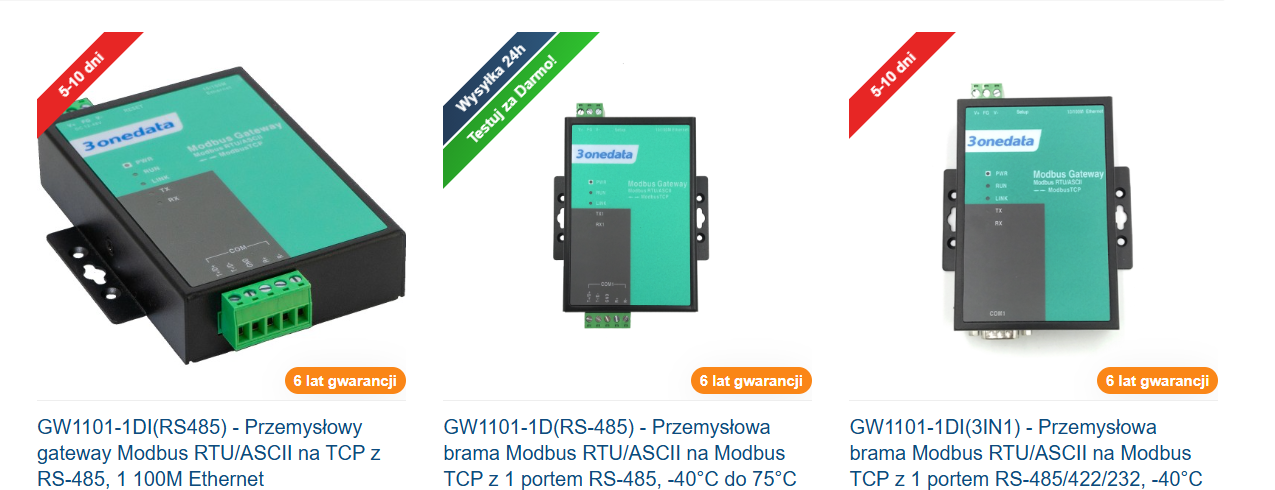
Modbus gateways by 3onedata are designed for long-term, reliable operation in demanding industrial environments. The combination of a wide operating temperature range of –40…+75 °C, flexible 12–48 V DC power supply, robust IP40 metal enclosure, and an extended 6-year warranty makes these devices truly suitable for 24/7 operation in automation, BMS, and critical infrastructure installations. In the event of any configuration issues, local technical support is an additional advantage that significantly shortens response time and facilitates both deployment and long-term system operation.
-P1-250x250h.png "GW1101-1D(RS-485) - Industrial Modbus RTU / ASCII gateway to Modbus TCP")
-3-250x250w.png "GW1101-1D(RS-485) - Industrial Modbus RTU / ASCII gateway to Modbus TCP")
-TB-1-250x250h.png "GW1102-2D(RS-485) - Industrial Modbus RTU / ASCII gateway to Modbus TCP, 2x RS-485/422")
-TB-3-250x250h.png "GW1102-2D(RS-485) - Industrial Modbus RTU / ASCII gateway to Modbus TCP, 2x RS-485/422")
-1-250x250h.png "GW1114-4DI(RS-485) - 4x RS-485 + 2x 100M Ethernet Ports Modbus Gateway")
-2-250x250w.png "GW1114-4DI(RS-485) - 4x RS-485 + 2x 100M Ethernet Ports Modbus Gateway")
-DB-P(12-48VDC)-P-1-250x250h.png "GW1101-1DI(3IN1) Industrial Modbus RTU / ASCII gateway to Modbus TCP")
-DB-P(12-48VDC)-1-1-250x250h.png "GW1101-1DI(3IN1) Industrial Modbus RTU / ASCII gateway to Modbus TCP")
-DB-P(12-48VDC)-250x250w.png "GW1102-2DI(3IN1) - Industrial Modbus RTU / ASCII gateway to Modbus TCP, 2 RS-232/485/422 ports")