


































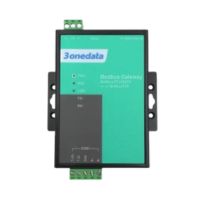
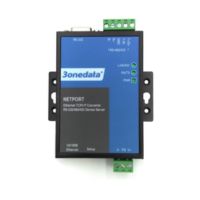
Modbus RTU to TCP/IP converter – bridging serial devices with Ethernet networks
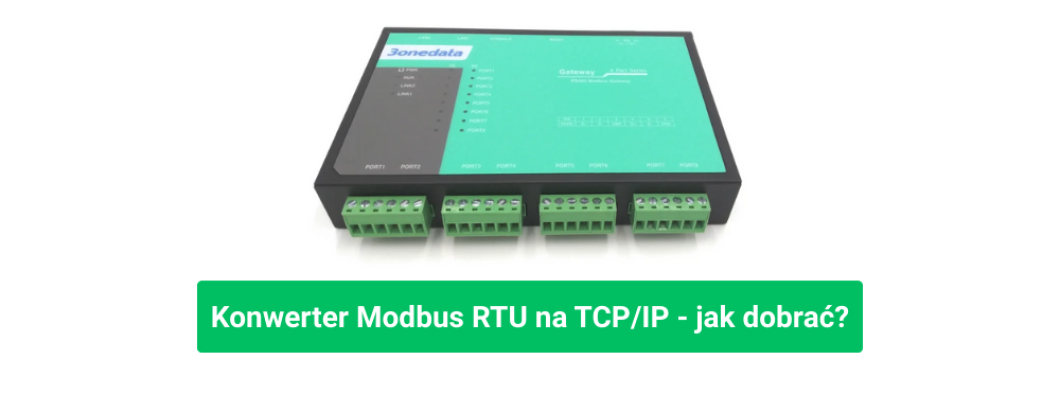
A Modbus RTU to TCP/IP converter enables seamless integration between legacy serial devices and modern Ethernet infrastructures. By converting RS-485/RTU communication into TCP/IP packets, it allows sensors, meters, and PLCs to connect directly with SCADA, BMS, or cloud applications. This is the simplest and most cost-effective way to overcome the gap between traditional automation systems and today’s IoT requirements.
What is a Modbus RTU to TCP/IP converter?
The converter works as a protocol translator, bridging serial Modbus RTU/ASCII devices with Ethernet-based systems using Modbus TCP. Instead of replacing existing RS-485 equipment, the converter extends their lifespan and integrates them with IT infrastructures. This means centralized monitoring, remote access, and flexible scaling of automation projects.
Key features of RTU → TCP/IP converters
- Protocol: conversion between Modbus RTU/ASCII and Modbus TCP/IP.
- Interfaces: RS-485 serial port + Ethernet RJ45.
- Scalability: support for multiple Modbus slaves, from a few to hundreds.
- Configuration: easy setup with web interface or free software tools.
- Power supply: wide DC range, some models with PoE support.
- Enclosure: DIN-rail for control cabinets or rugged IP65/IP67 for industrial use.
- Security: encryption, authentication and VPN options for secure communication.
Applications of Modbus RTU to TCP/IP converters
These converters are widely used in building automation (energy meters, HVAC controllers, environmental sensors), industrial automation (PLC integration, production line monitoring), energy distribution (transformers, substations), and IoT projects, where data from field devices is pushed to cloud platforms for advanced analytics and reporting. In each case, the converter ensures reliable communication across different layers of infrastructure.
Why use a Modbus RTU to TCP/IP converter?
- Preserve existing RS-485 devices without costly replacements.
- Easy integration with Ethernet and TCP/IP-based systems.
- Real-time remote monitoring and control.
- Lower installation and maintenance costs.
- Scalable from small sites to large industrial systems.
Expert tips for integrators
When selecting a converter, check the number of Modbus slaves, supported baud rates, environmental conditions, and whether you need RTU, ASCII, or mixed operation. For quick deployment, explore our Modbus RTU to TCP/IP converters , which are designed for 24/7 industrial operation and easy integration with SCADA and BMS.
Case study – upgrading a building management system
A large office building operator needed to integrate dozens of Modbus RTU energy meters with a BMS platform running on Modbus TCP/IP. Instead of replacing all meters, RTU → TCP/IP converters were deployed. This enabled seamless data transfer to the central system, allowing real-time reporting and energy optimization. The project reduced modernization costs by over 60% and was completed without interrupting building operations.
Try before you buy – free testing program
Choosing the right Modbus RTU to TCP/IP converter depends on your devices, protocols, and environment. At Consteel Electronics we offer a free testing program to verify compatibility in real conditions. For expert guidance, feel free to contact our specialists.
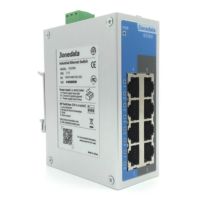
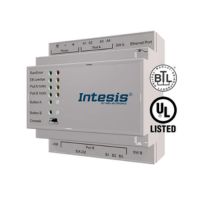
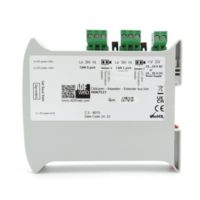
-P1-250x250h.png "GW1101-1D(RS-485) - Industrial Modbus RTU / ASCII gateway to Modbus TCP")
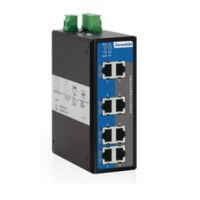
-3-250x250w.png "GW1101-1D(RS-485) - Industrial Modbus RTU / ASCII gateway to Modbus TCP")
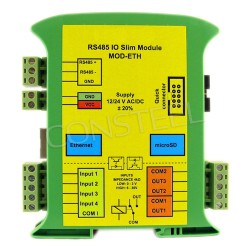
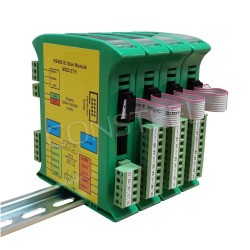
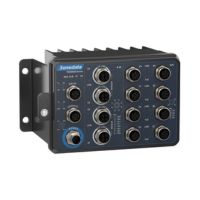
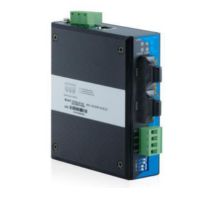
-1-250x250h.png "GW1114-4DI(RS-485) - 4x RS-485 + 2x 100M Ethernet Ports Modbus Gateway")
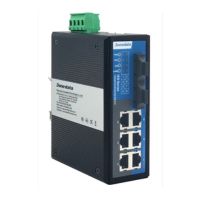
-2-250x250w.png "GW1114-4DI(RS-485) - 4x RS-485 + 2x 100M Ethernet Ports Modbus Gateway")